
CYBER MONDAY 2023 SALE!
Prices good November 20-30, 2023

It takes a village to make a village, and every village needs huts. Models come unpainted.
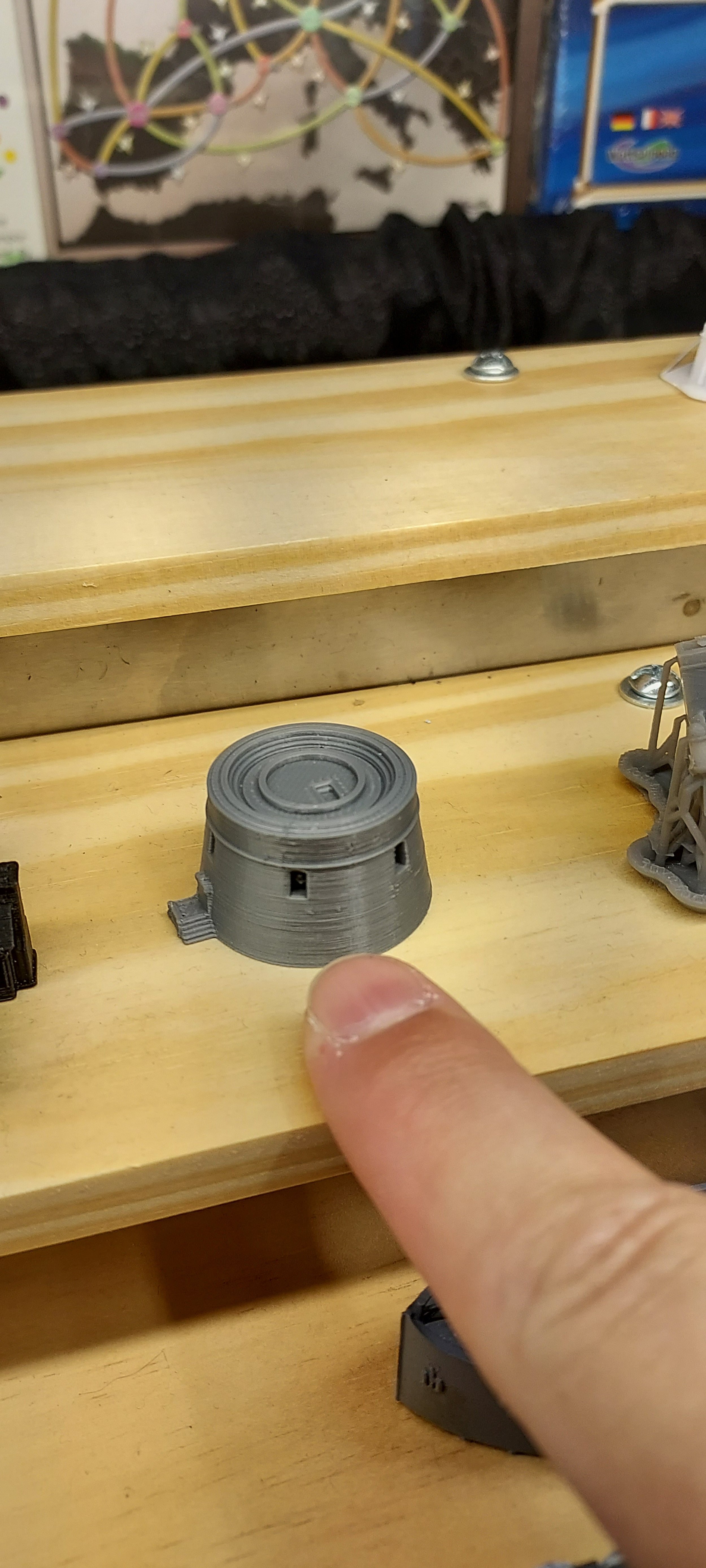
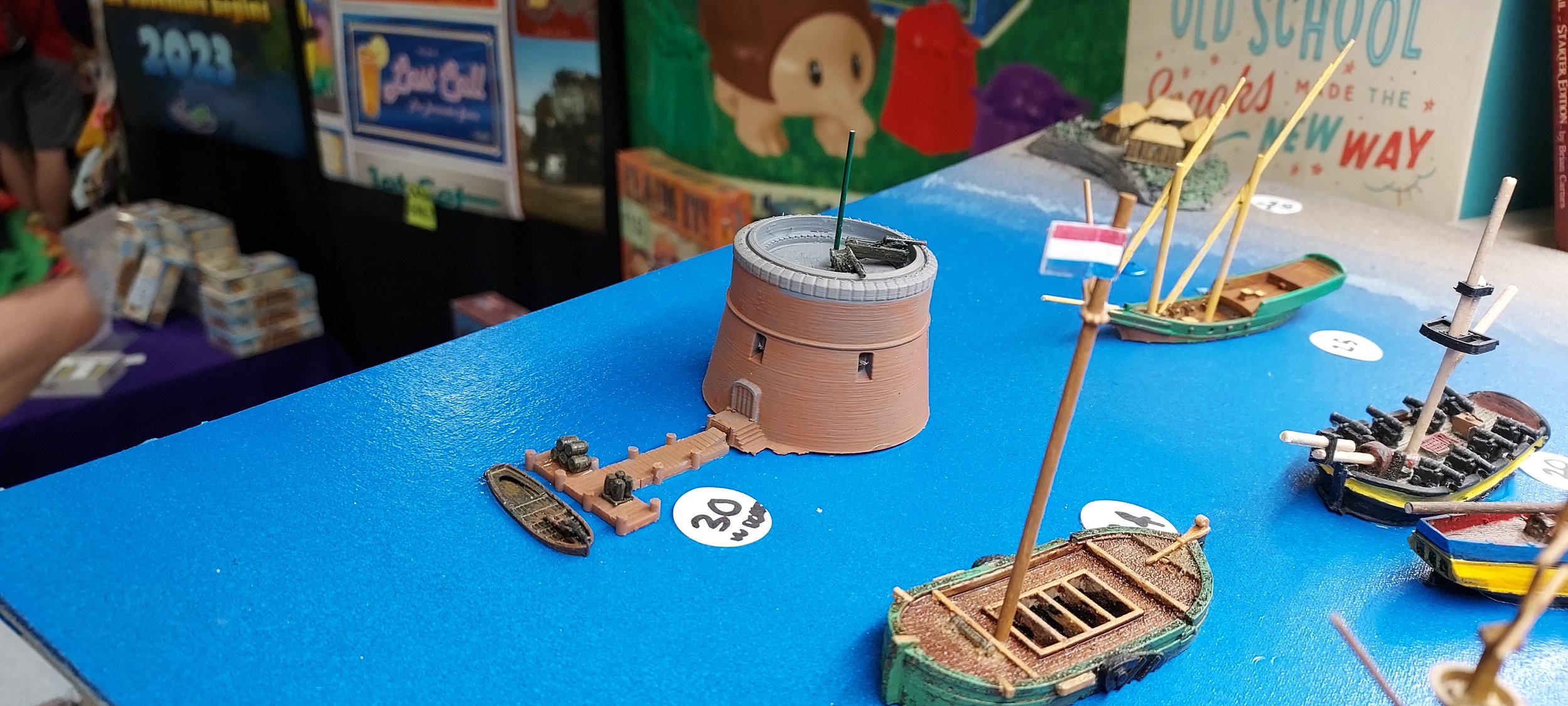


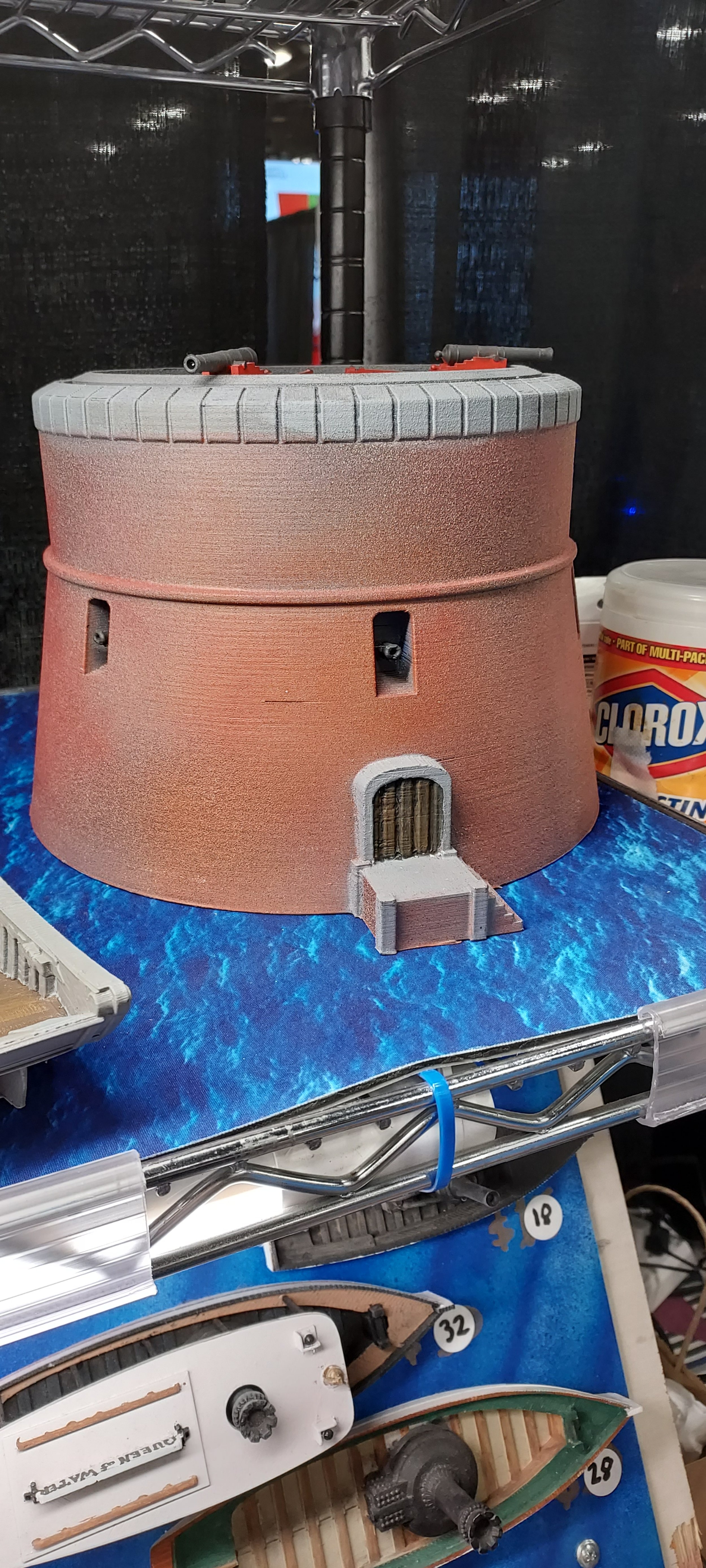

This Martello Tower is based off of the defensive forts built during the 19th century. Comes unpainted. We carry towers from 3mm to 28MM scales. Models are 3d printed in FDM with 2 SLA fortress guns for the roof on all models except the 3MM version. The 6MM version comes with a T-dock and a few additional world building bits

A value set of our popular smaller 5mm / 6MM scale houses. We noticed at conventions that the smaller sizes of houses tend to sell out fast so this Baker's dozen is designed to provide a value for those seeking to add small villages or other buildings to game boards. These are economically FDM 3D printed. Designed to be fairly ubiquitous and serve a wide variety of roles on the war-gaming table. These are perfect for Sailpower, for 6MM micro-armor, as island houses for 1/300th WW2 naval games and many other purposes. Come unpainted as pictured.

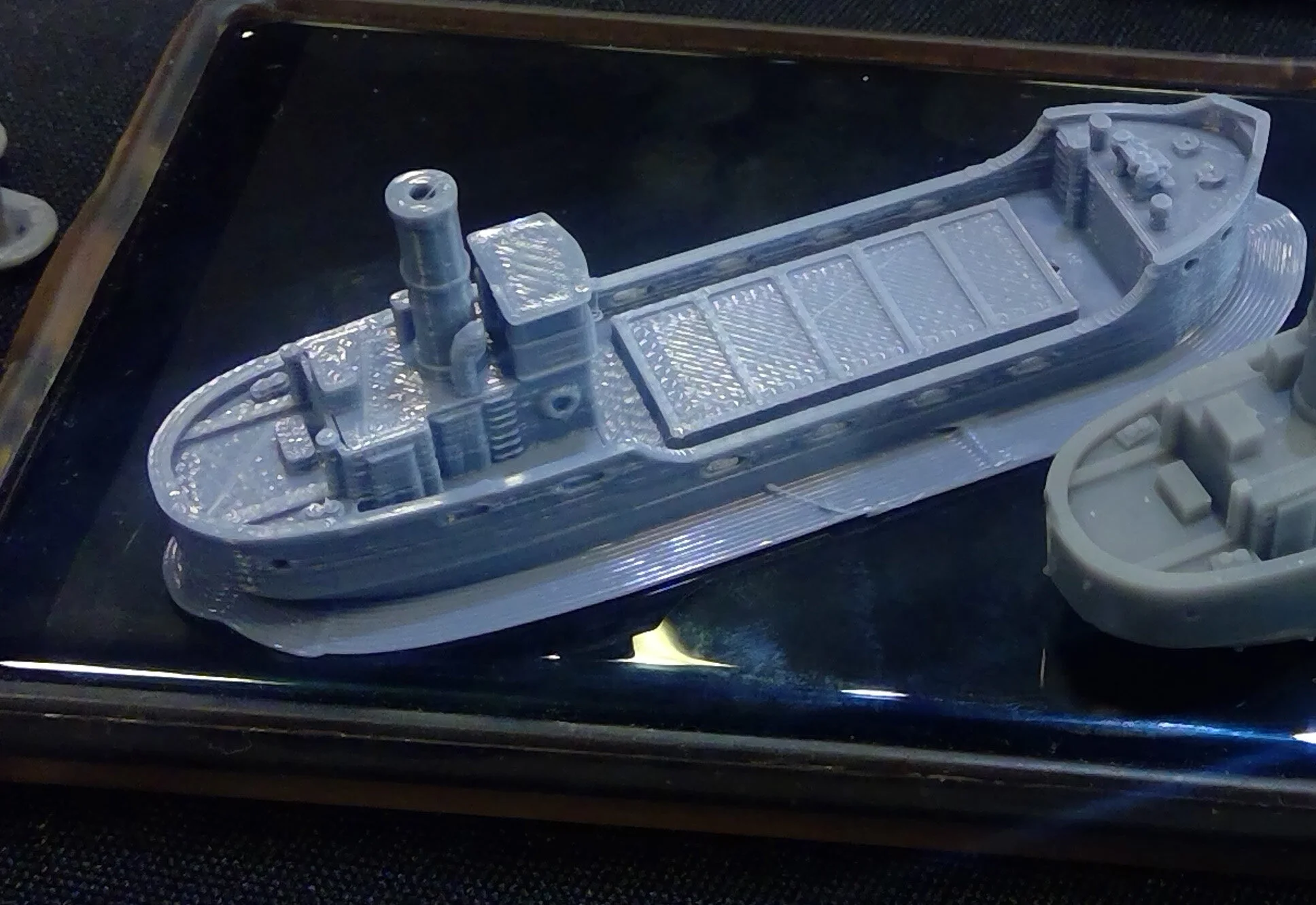


Victualing Inshore Craft, also known as a "VIC" or Steam Coasting Lighter or "Puffer." A total of 98 were built during WW2 to supply naval ships. The English Admiralty based this design off the classic coaster Clyde puffers, so named because early versions used steam engines that puffed steam due to a simple design, the Admiralty made some changes from the classic puffer, but the design was so similar many VIC's retired from military service to the puffer trade routes.
VICs were used almost anywhere naval supply services were needed. Some were shipped (as deck cargo similar to how MBT's were shipped) to overseas bases such as Malta and even to the far east (retrofitted with diesels motors) as small tankers.
The VICs were employed at Royal Navy harbors and anchorages around the coast of Britain, lightering all manner of supplies as needed. Their largely unsung work was nonetheless vital to the smooth running of naval operations.
After the war ended many VICs were sold into merchant service. Today just a few survive including VIC56 - a photo of which inspired Brian to make this sculpt.
This model is available in several scales and finishes
The 3MM 1/600 scale version is approx. 42MM long and printed in hi-res SLA
The 6mm 1/300 scale version measures 85x20mm and is available in two finish levels: FDM (standard finish) or SLA (hi-res finish)
The 15mm 1/100 scale version (well suited for 15-20MM games) measures 250mmx60mm and is printed in FDM (New for 2023!)


Kriegsfischkutter (armed fishing boat - short KFK ) were small auxiliary warships of the German navy during World War 2. They were used in coastal security service, in submarine hunting flotillas and of course before and after the war for fishing.
Crew: 18
Speed: 9.0 kts
Armed with one 3.7 cm flak, two 2 cm flak, and depth charges
During the 1920's, the politically controlled "standardization of the vehicles of the German fishing fleet" was started. The Reichsfischkutter was mostly built in wood and could be ordered affordably by private operators. In return, the vehicle had to returned to the navy during the war.
In 1942, the German Navy ordered many of these, and thus launched the largest shipbuilding series in German maritime history. The boats were built by 42 shipyards in seven European countries. Unknowingly, yards in neutral Sweden made war fishing boats for the German Navy. These orders were disguised as orders for "normal" trawlers and were awarded by the then Reich Ministry of Food. The cutters with the numbers KFK 93 to KFK 137, which were delivered completely with fishing gear, were converted into war configuration at German shipyards in the Baltic Sea region.
In 1942, Ernst Burmester Schiffswerft KG was founded for the KFK production in Swinemünde-East as a subsidiary of the yacht and boatyard Burmester from Bremen-Burg. They built about 411 cutters. but many ships remained unfinished in different stages of construction.
Also built were: 12 cutters in Greece, 27 cutters in Varna (Bulgaria), 3 cutters in Constanţa (Romania), 12 cutters in Kherson (Ukraine), 22 cutters spread across six shipyards in Belgium, 29 cutters distributed across 12 shipyards in the Netherlands, and 44 cutters distributed to 17 shipyards in Sweden. (Total: 143 pieces without post-war production)
Completed and put into service were 612 ships, of which 554 came to the front line, of which at least 135 sank. The cutters were assigned serial numbers KFK 1 to KFK 1072. These are not to be confused with the names of the ships or changing tactical or other markings, such as the unit numbers of the Navy, radio characters or later fishing license in addition to the name.
We are offering two versions of the KFK: the naval version reflects the ship in military service, and the civilian version shows it as it would appear in commercial fishing service.
This model is available two finish levels: FDM is lower cost, and is what most would recognize as traditional 3D printing. This type of model printed in layers, and is lightweight with reasonable detail but will have visible striation (or lines) that the hobbyist may want to clean up using putty, primer, or other hobby techniques. SLA is a laser cured photo-resin that has exceptional detail, and generally has a much smoother finish without significantly noticeable striation. This type of model is more expensive material, and is more delicate.
6mm, 1/300 scale


Harbor tugs -every port, dock and harbor needs at least a couple! This 1/300th model represents a 84 footer. Available in two variants -bumpered with tires and a "bow pudding or "beard", or without so one can outfit it as they see fit. Perhaps an tug for your favorite faction? Or a rescue tug? This model measures 84MMx24MM, and is available in two finish levels FDM (standard finish) or SLA (hi-res finish).

These 14 pages have everything a Sailpower player would need to reference during the running of a general game . No more flipping through books to find a rule or chart. These are ‘dinner place-mat’ sized charts that are large enough to place die rolls directly on the gun charts for easy damage calculation.
The Sailpower 2.1 Quick Rules Reference Sheets contains:
the Sailpower Turn Sequence
Setting and Changing Wind Direction and Speed
Gun Charts for all Sailpower gun types
EXCLUSIVE: Newly Expanded Treasure System with 100 Treasures (50 additional over base rules)
EXCLUSIVE: Preferred ports (worth double) for treasures adds more risk vs reward choices for the player to consider as Captain
Grappling/Boarding/Small Arms rules
Mortar rules
Port Rules, Trading, and the Notorious Tavern Rules
Ramming, including T-Bone, Glancing Ram, and Head On
and MORE!
The intention is to be a quick go to to keep game play moving. The core Sailpower 2.0 Rule book is important as it contains more detailed and additional rules for game play, but the Sailpower 2.1 Quick Rules Reference Sheets make a great companion!
NOTE: This version of the Quick Rules is current to the Sailpower 2.0 edition. The Sailpower Treasure and Quick Reference Card Collections reflect updated stats for some weapons and charts that will be featured in a future edition of the Sailpower rules.
PRO TIP: Buy more sets for a bigger game! for a large 15MM game board we find that while players can share this set, it’s a great idea to have a set every 6 feet or so (or every 2 or 3 players). For 6MM gaming on a 6’x30” table we use one set for each side of the table and we like to use a TV tray that is short enough to push under the play surface and can easily be pulled out when needed.