8-gun Buccaneer Sloop
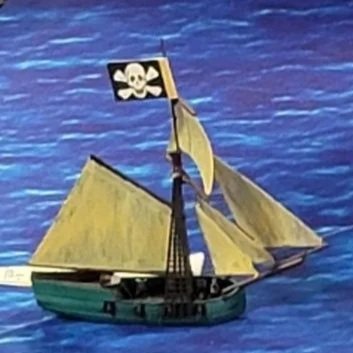
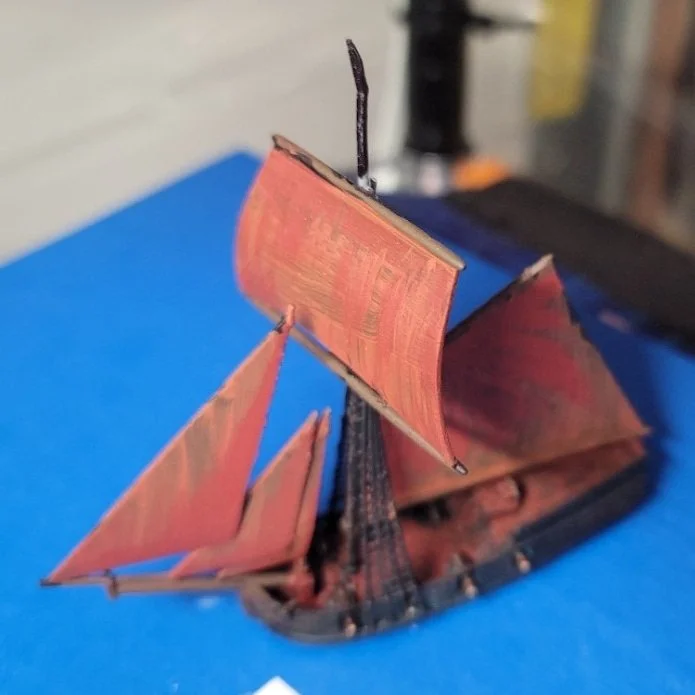
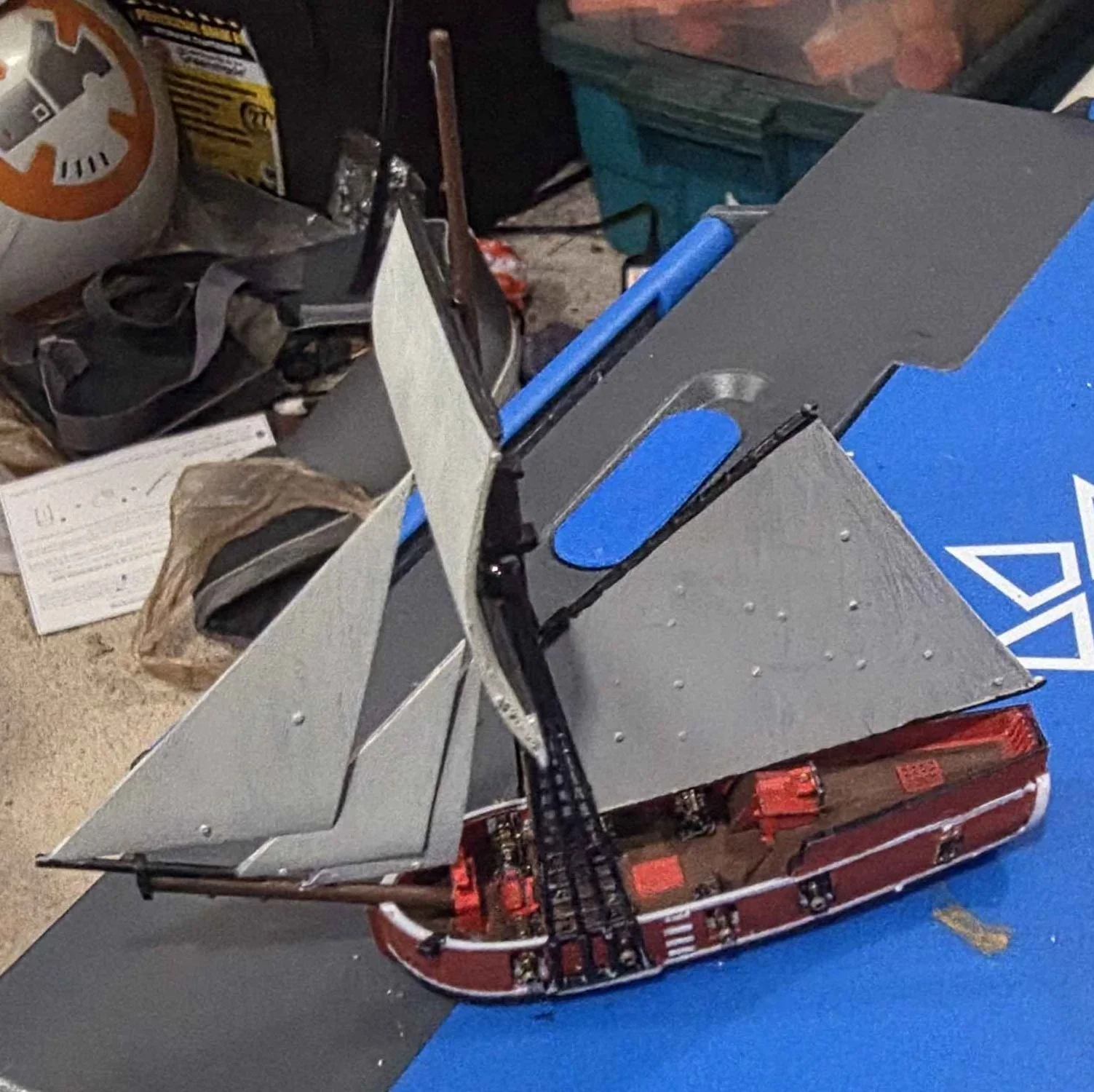
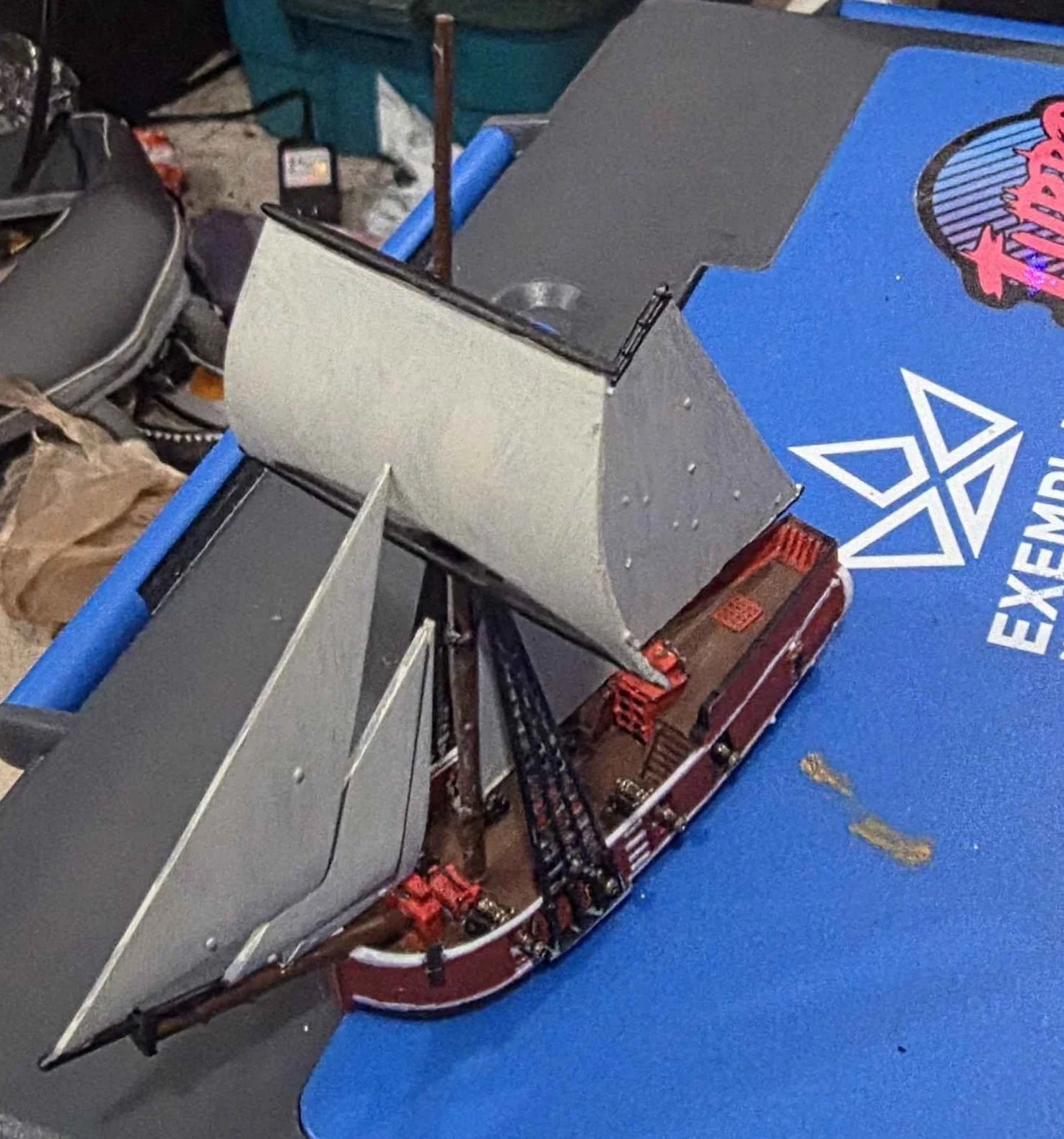
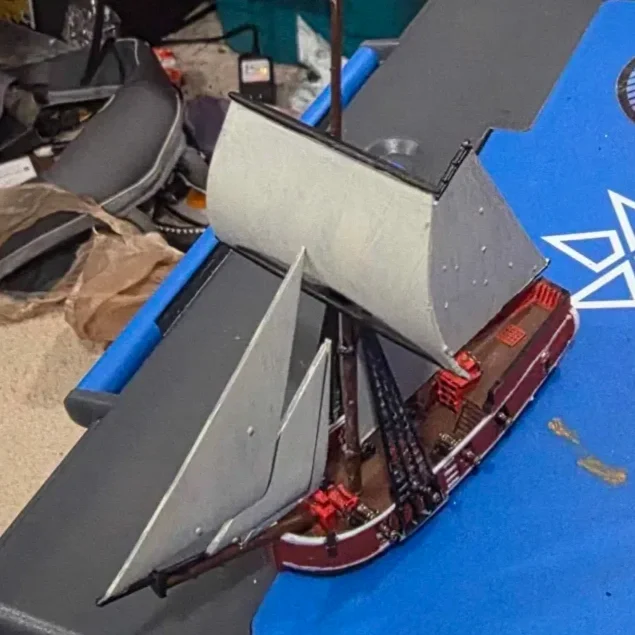
8-gun Buccaneer Sloop
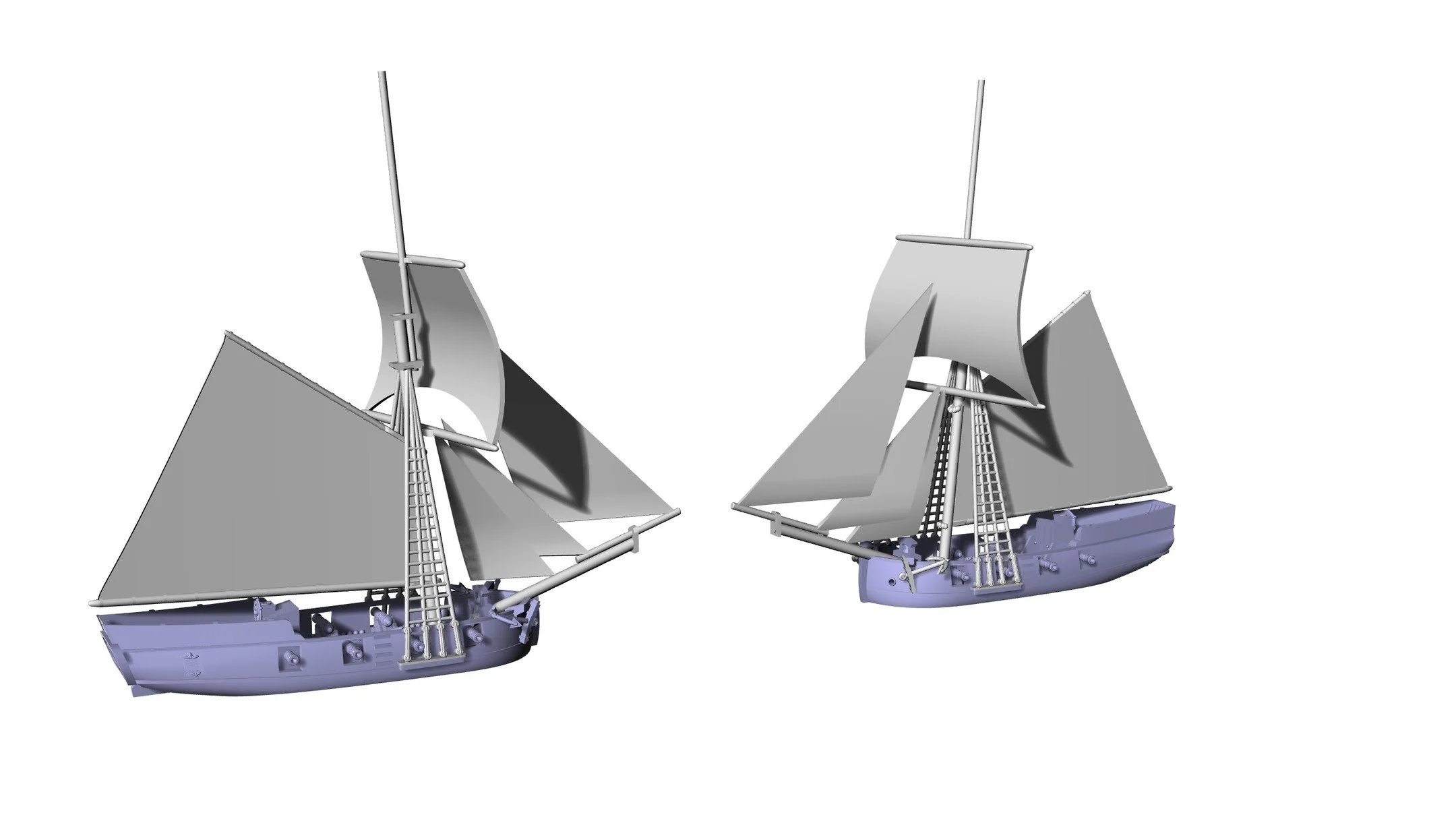
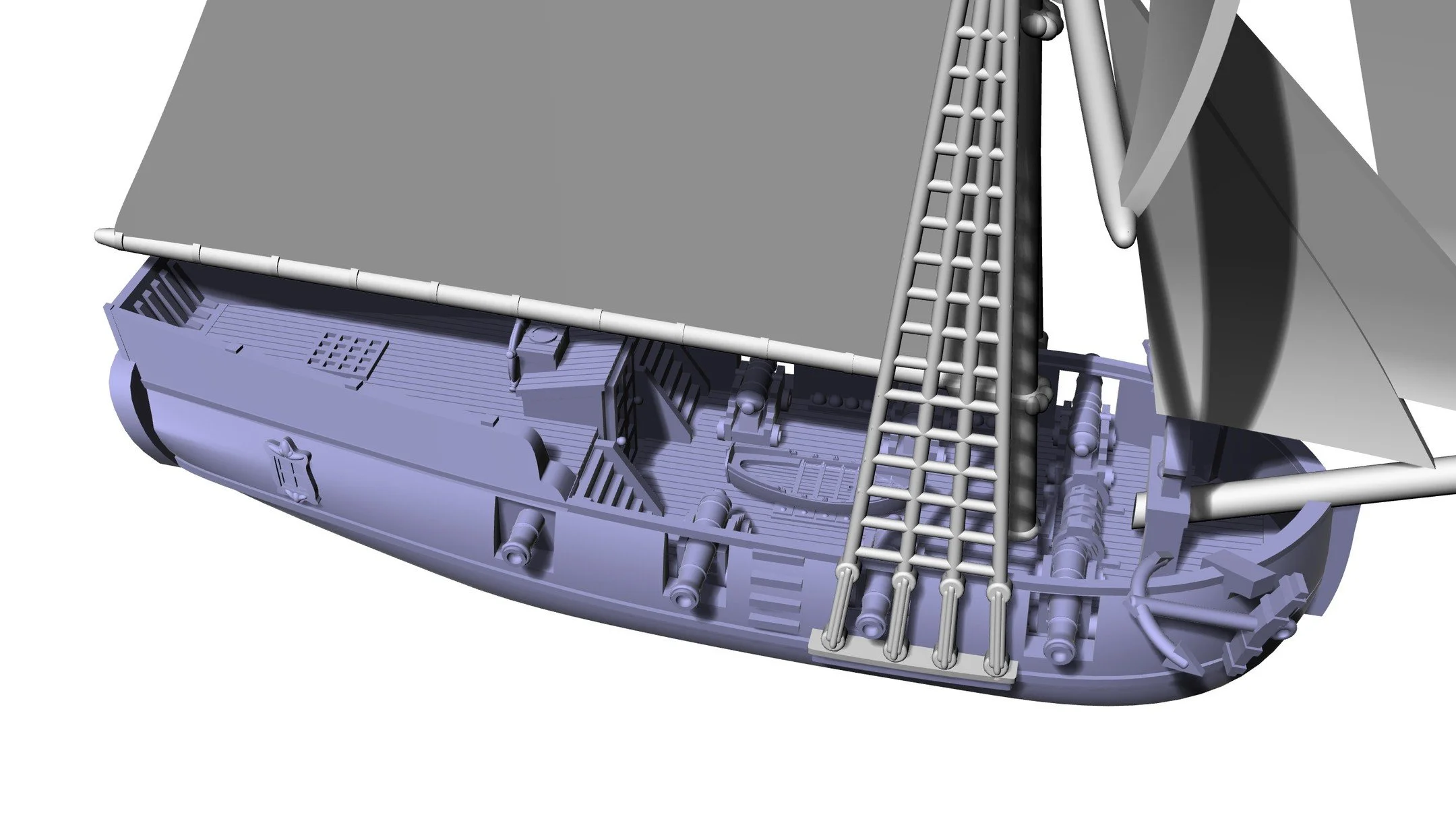
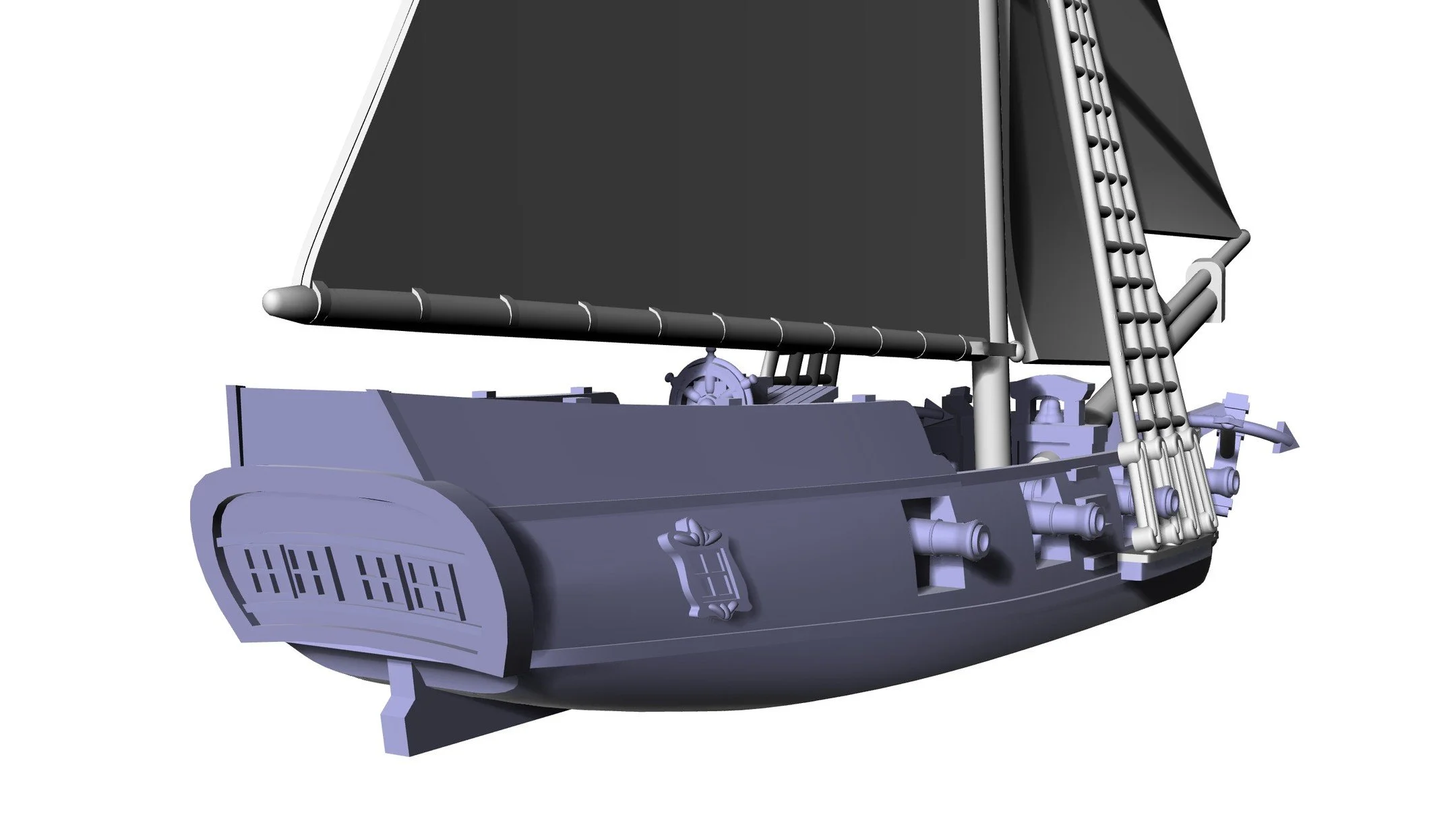
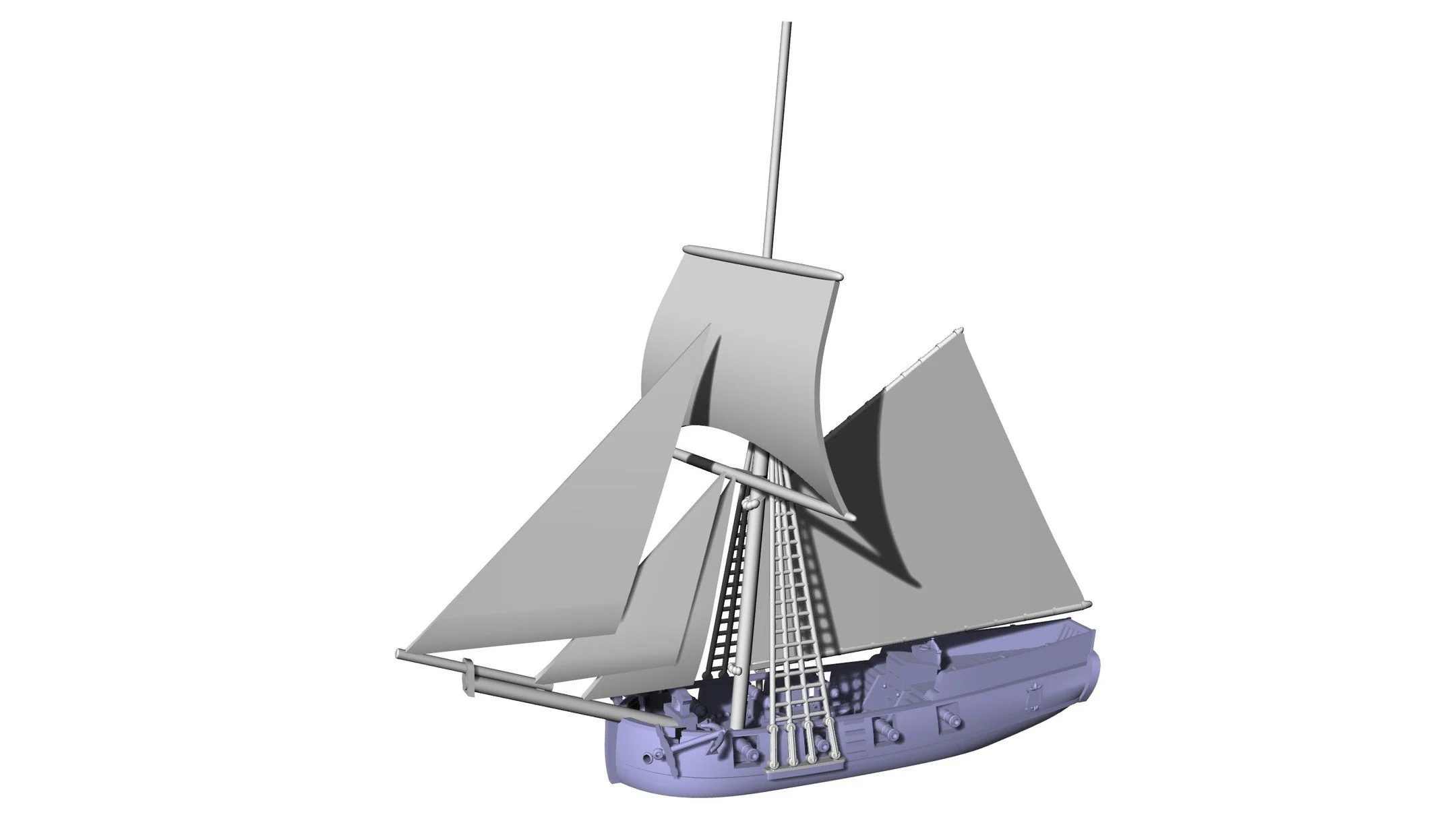
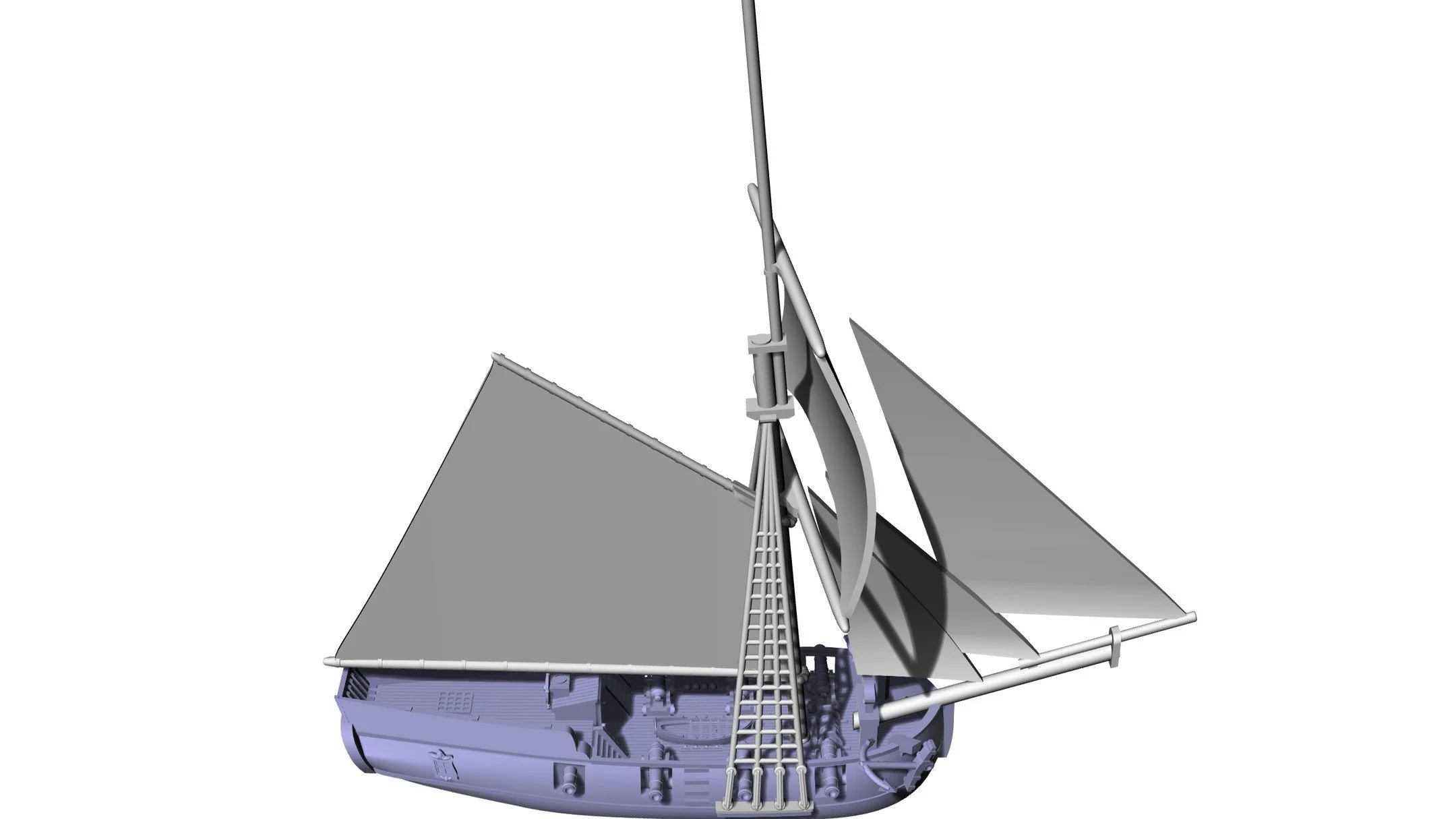
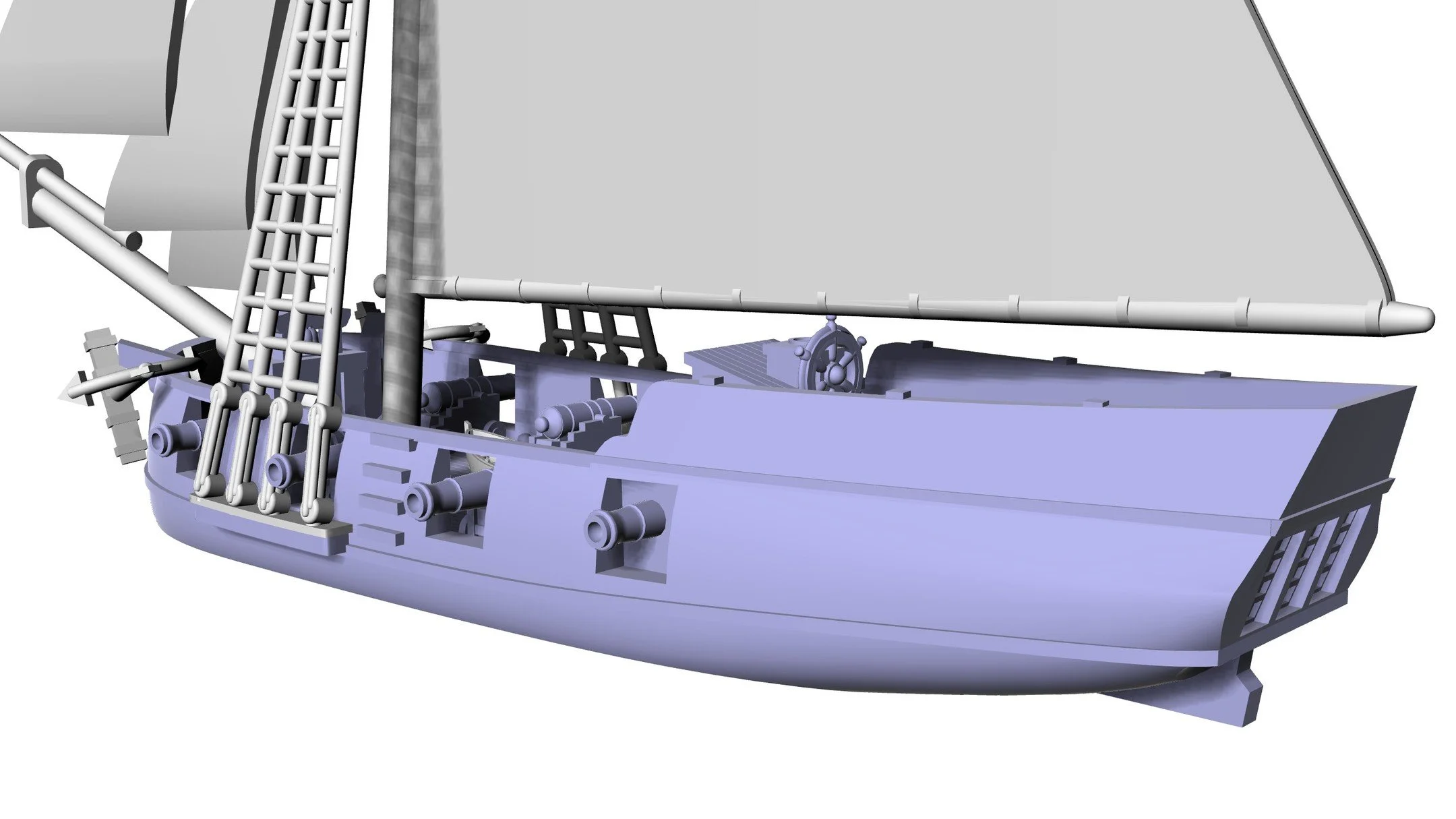
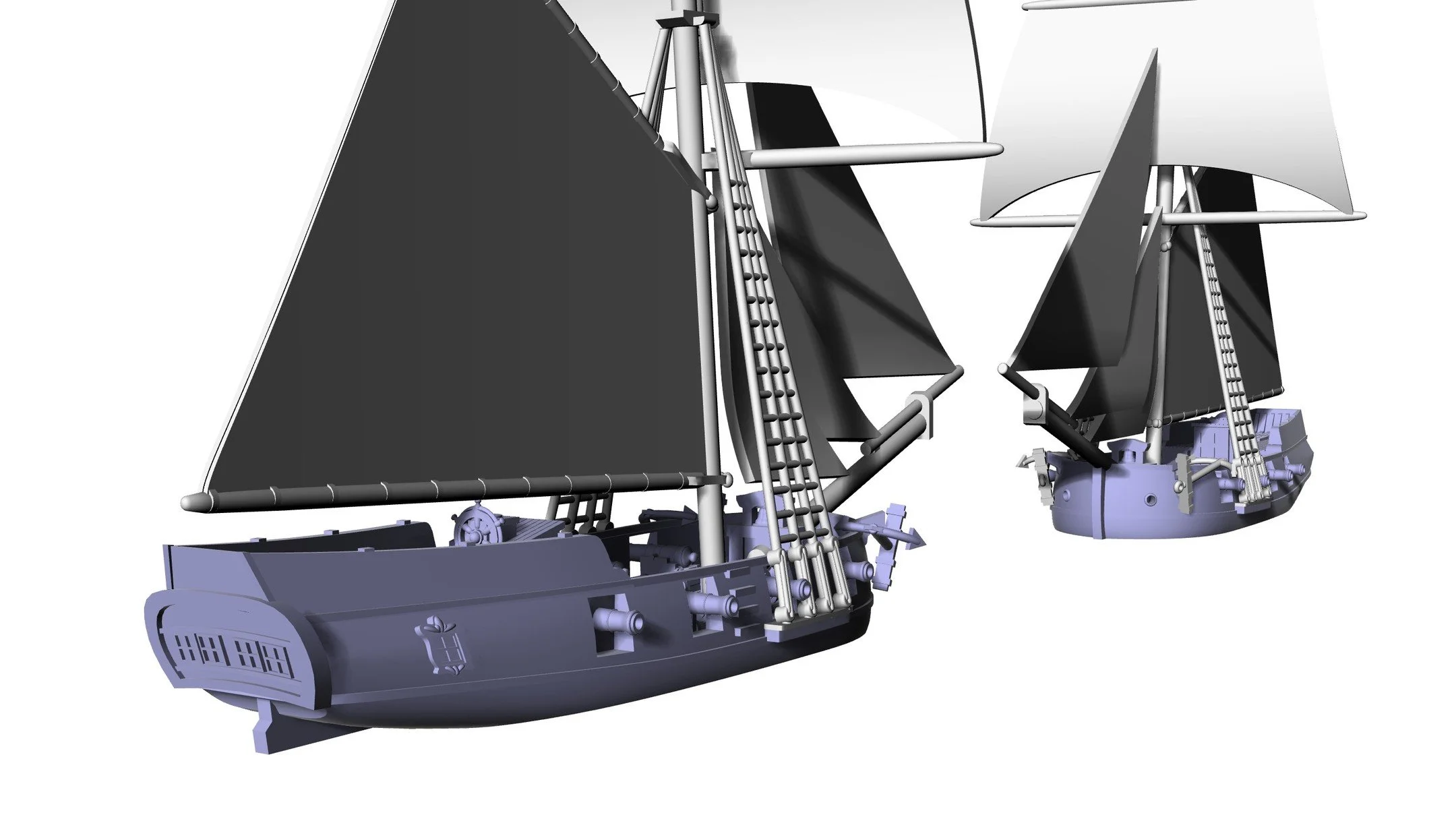
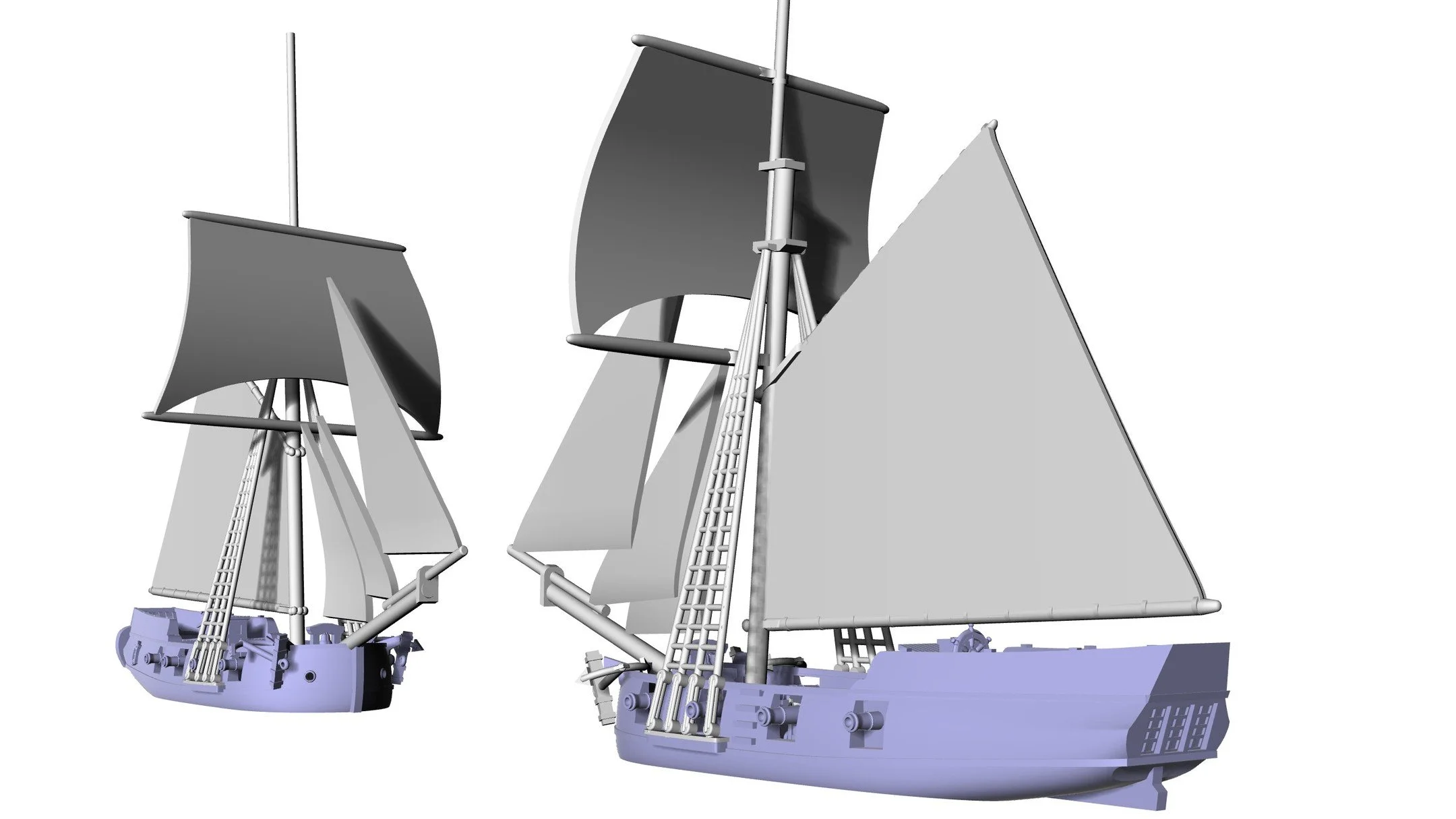
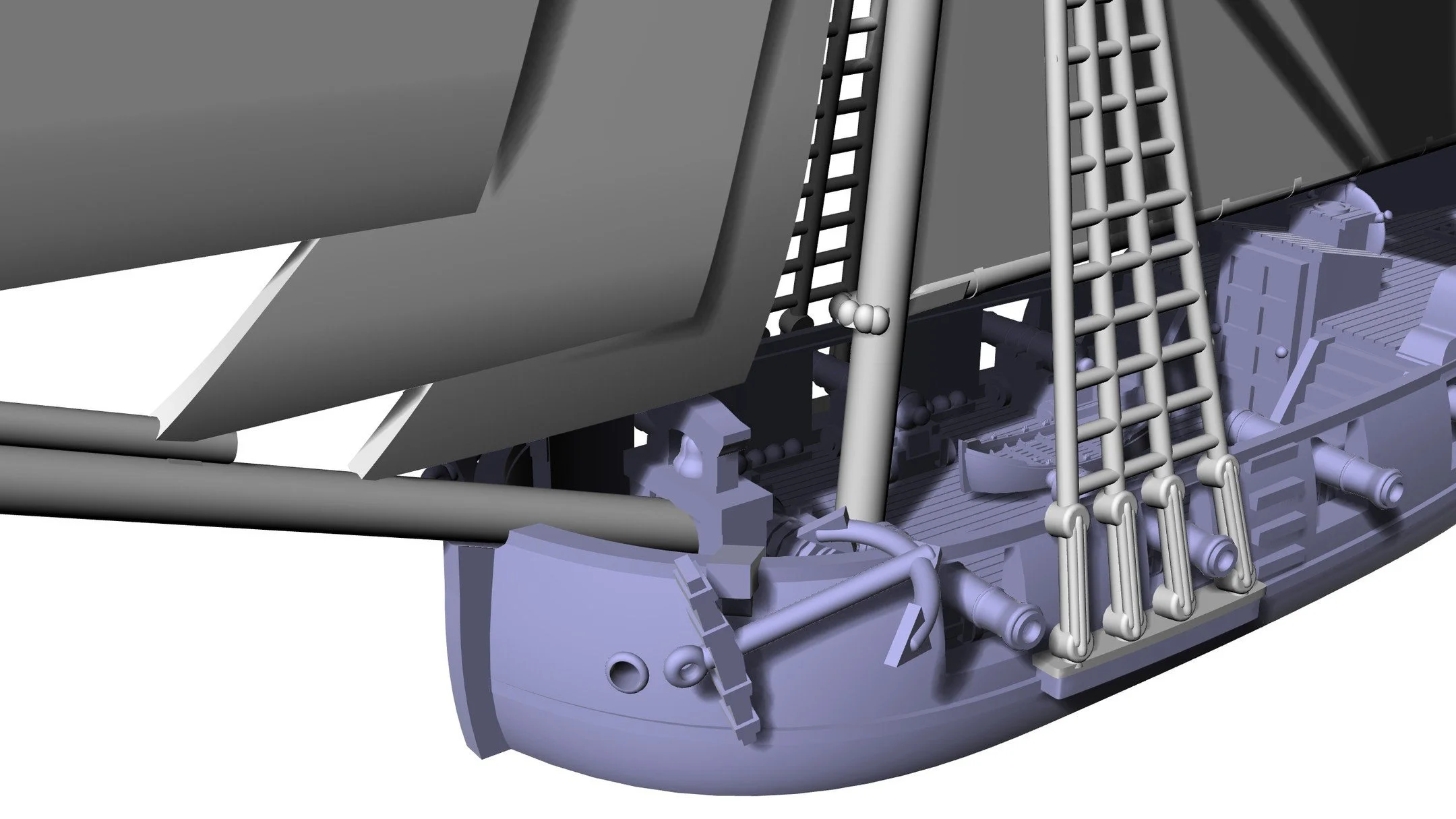
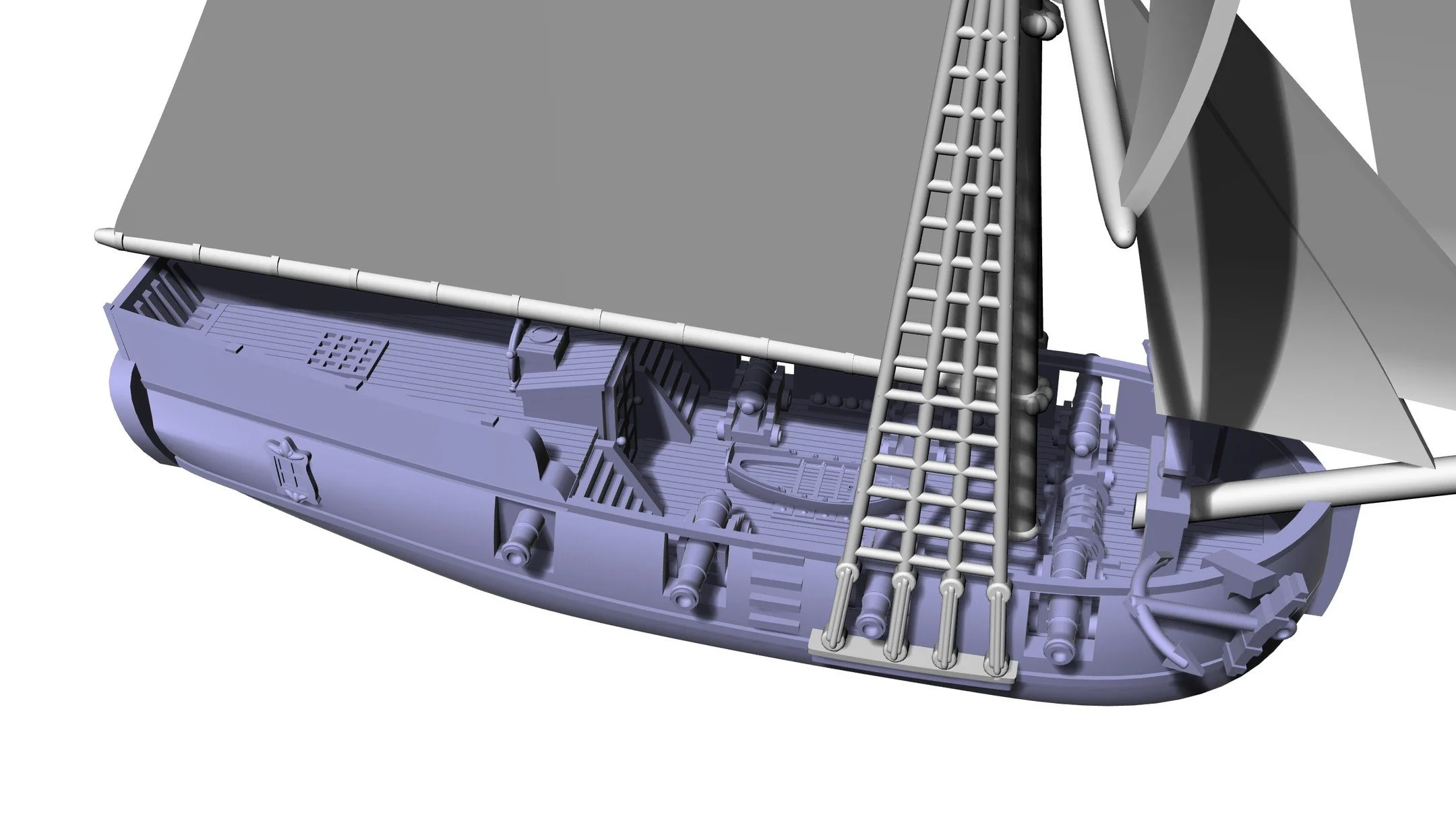
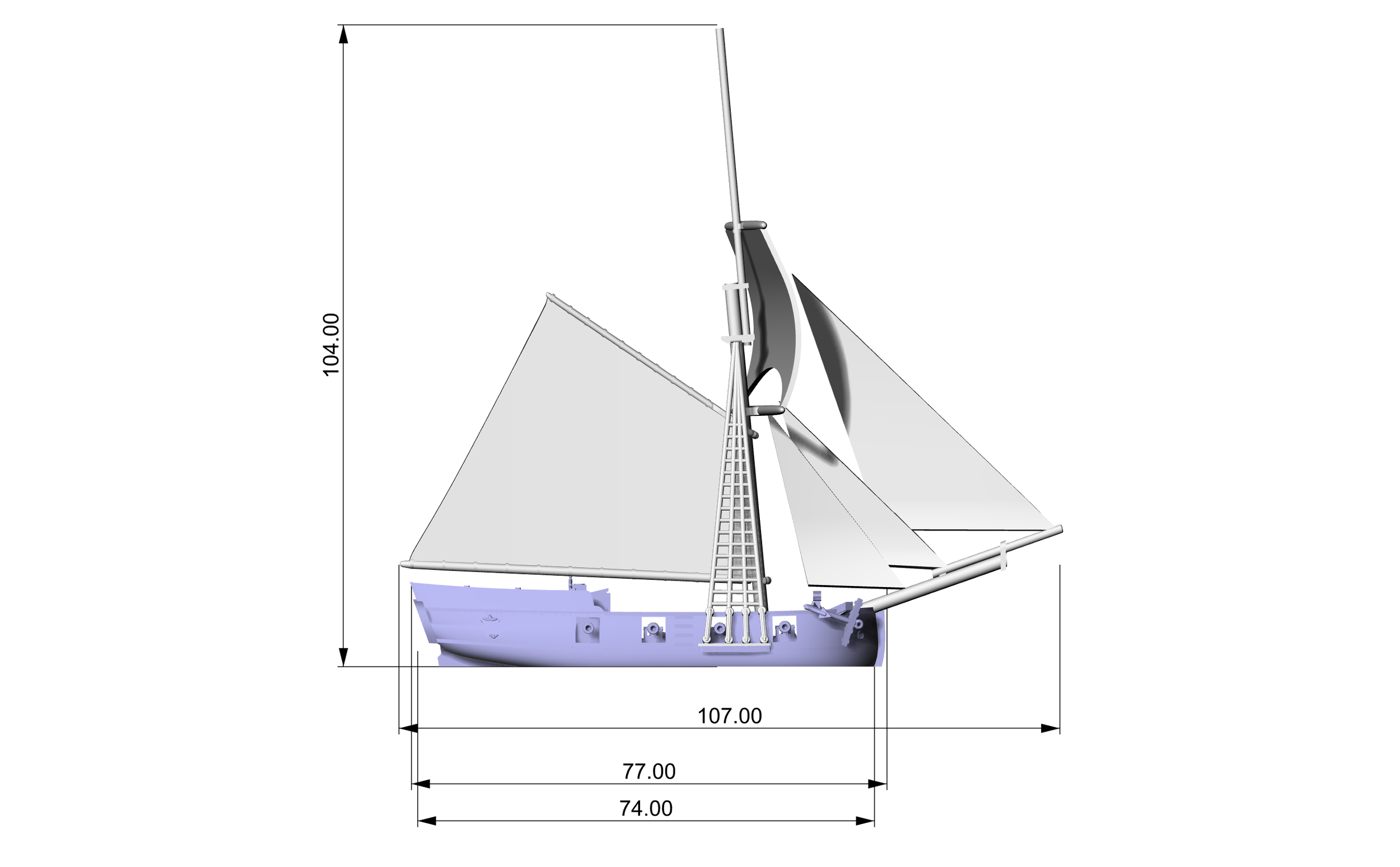
Take to the high seas with this tabletop gaming sloop! Armed with 8 cannon, this sloop represents a small, fast, but powerful ship of war! Great for representing a privateer, a pirate, or a small naval vessel. These kits comes un-painted, and un-assembled.
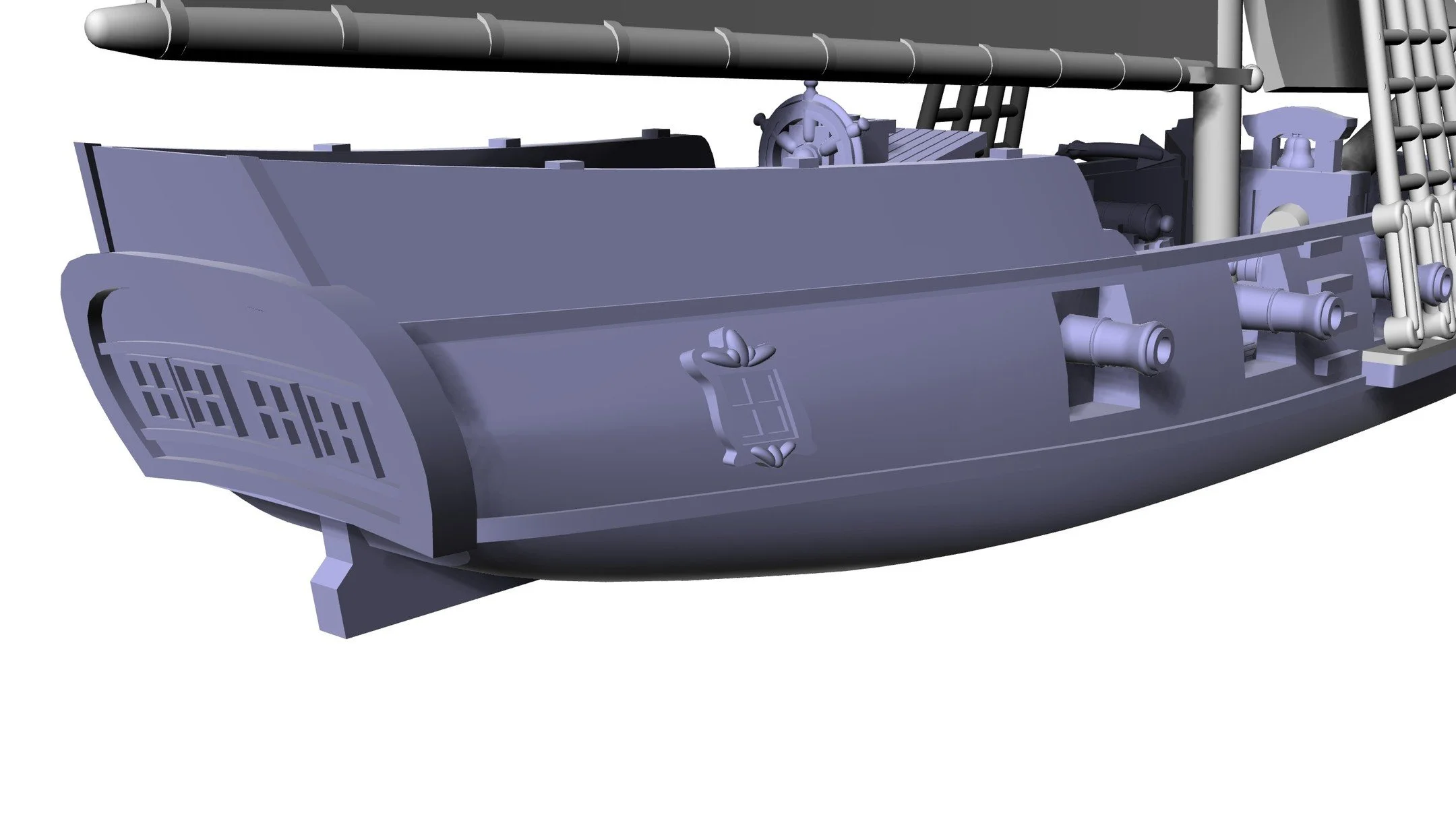
This kit is available two versions: The original has a more plain transom, the other is more stylized.
6MM scale Captain’s Edition : This is the latest 6MM version of this kit featuring MSLA resin 3D printed hull, masts, shrouds and sails. The kit features an improved resin that has high detail but maintains part flexibility. The goal of the Captain’s Edition is to get a model on the table for gameplay in a faster manner then previous versions. This model comes unpainted and unassembled.
Historic ship type:
Sloops originated from from small speedy vessels like the Dutch Yachts, and then evolved highly in Bermuda and the Caribbean , and along the Chesapeake bay. Sloops made excellent small warships as they sail upwind well and are small enough to operate in coastal waters as well.
Buccaneers were a community of all nations including Caribbean tribes, escaped slaves, criminals and outcasts, privateers and pirates operating in the Caribbean Sea during the 17th and 18th centuries. They originally are referenced early as 1625 on northwest side of Hispaniola after the devastations of Osorio, and their heyday was during the Restoration Era from 1660 until about 1688 -due to events in Europe, colonial governments in the Caribbean were not strong enough as locally established naval powers to suppress them. While Hispaniola was the original home of the buccaneers, Martinique for example was a home port for a large French buccaneers community.
The original term Buccaneer referred to hunters of wild boars and cattle in the largely uninhabited areas of Tortuga and Hispaniola. The meat they caught was smoked over a slow fire in little huts the French called boucans to make “viande boucanée” – basically jerked meat they sold to the pirates and privateers who preyed on the (largely Spanish) shipping and settlements of the Caribbean. Later the term was applied to the privateers themselves, also known as the ‘Brethren of the Coast.’
The yacht, a Dutch design for an armed personal craft of the wealthy and leaders of Europe, started to see wide use and progressed to the sloop. Whereas the original yachts had drop leeboards, Bermuda began progressing similar ships with no leeboards and a gaff rig. These sloops were referred to as “Bermuda rigged.”
A large Bermuda rig sloop was the perfect ship for a privateer or pirate. Sloops were fast, and able to operate in or around the coasts and inlets. This model looks to represent a large heavily armed for it’s size Buccaneer sloop, with a high bulkhead for additional crew protection.
This model features 3D printed parts: There are two types of 3D printed parts we use in our products. "FDM" is lower cost, and is what most would recognize as traditional 3D printing. This type of model printed in layers from thermal plastic (generally PLA or PETG), and is lightweight with reasonable detail but will have visible striation (or lines) that the hobbyist may want to clean up using putty, primer, or other hobby techniques. "SLA" is a laser cured photo-resin that has exceptional detail, and generally has a much smoother finish without significantly noticeable striation. This type of material is more expensive, and fine details can be more delicate.
Some models may use either or both types of parts, and some models may have the ability for the buyer to select the print type under print options. These models are intended to be painted and may come in different colors.