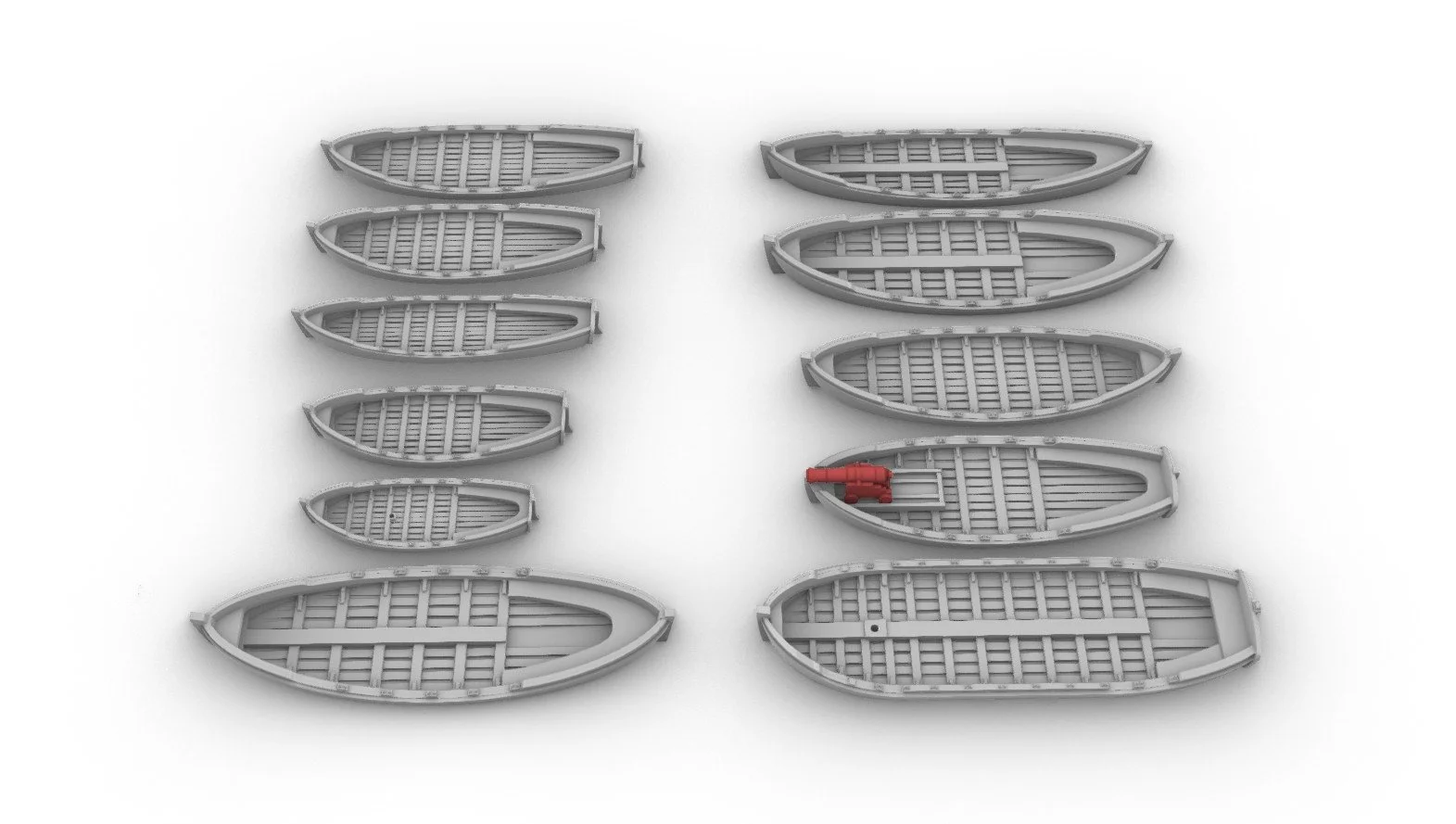
18-Gun Ship rigged Sloop of War
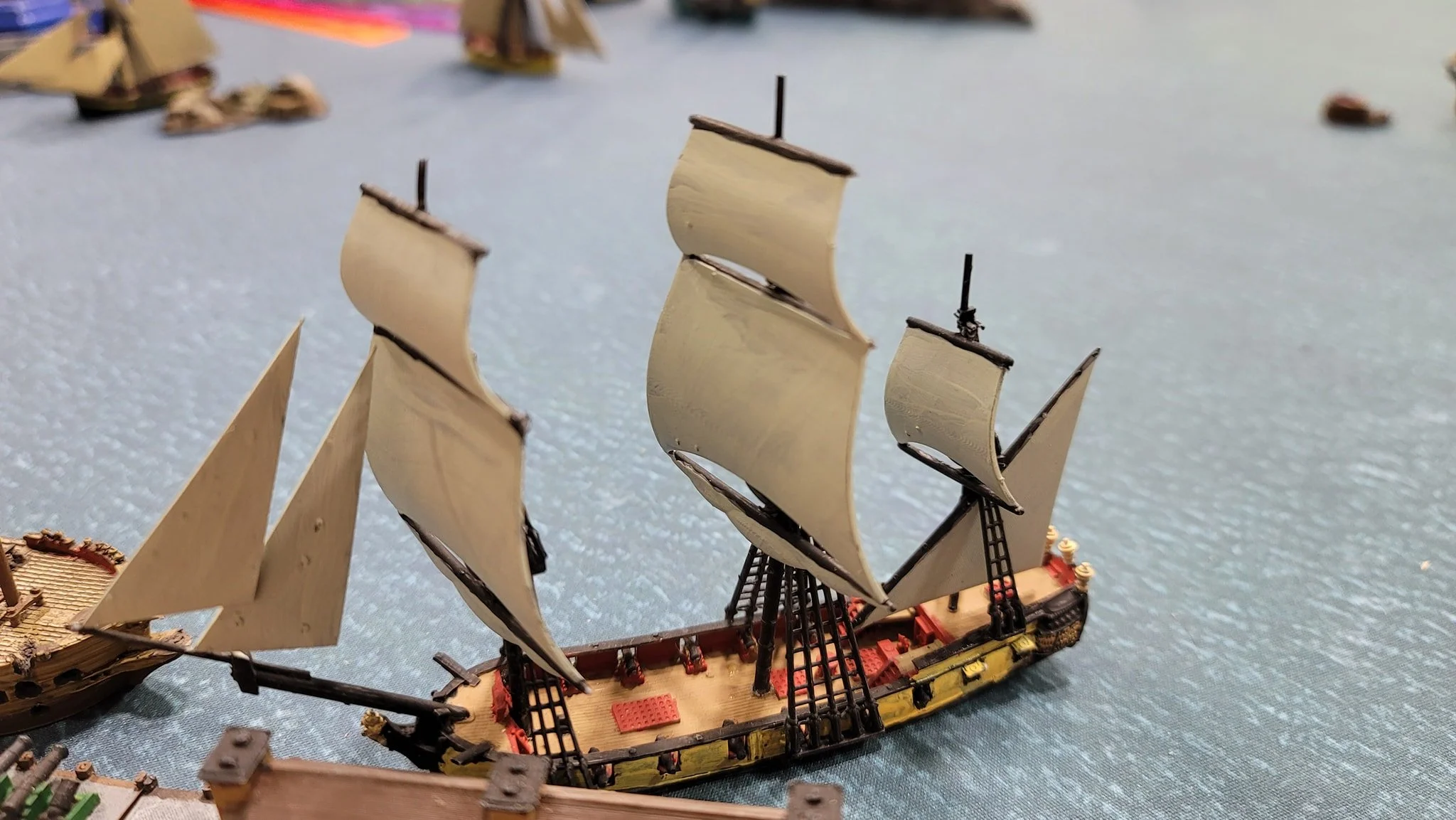
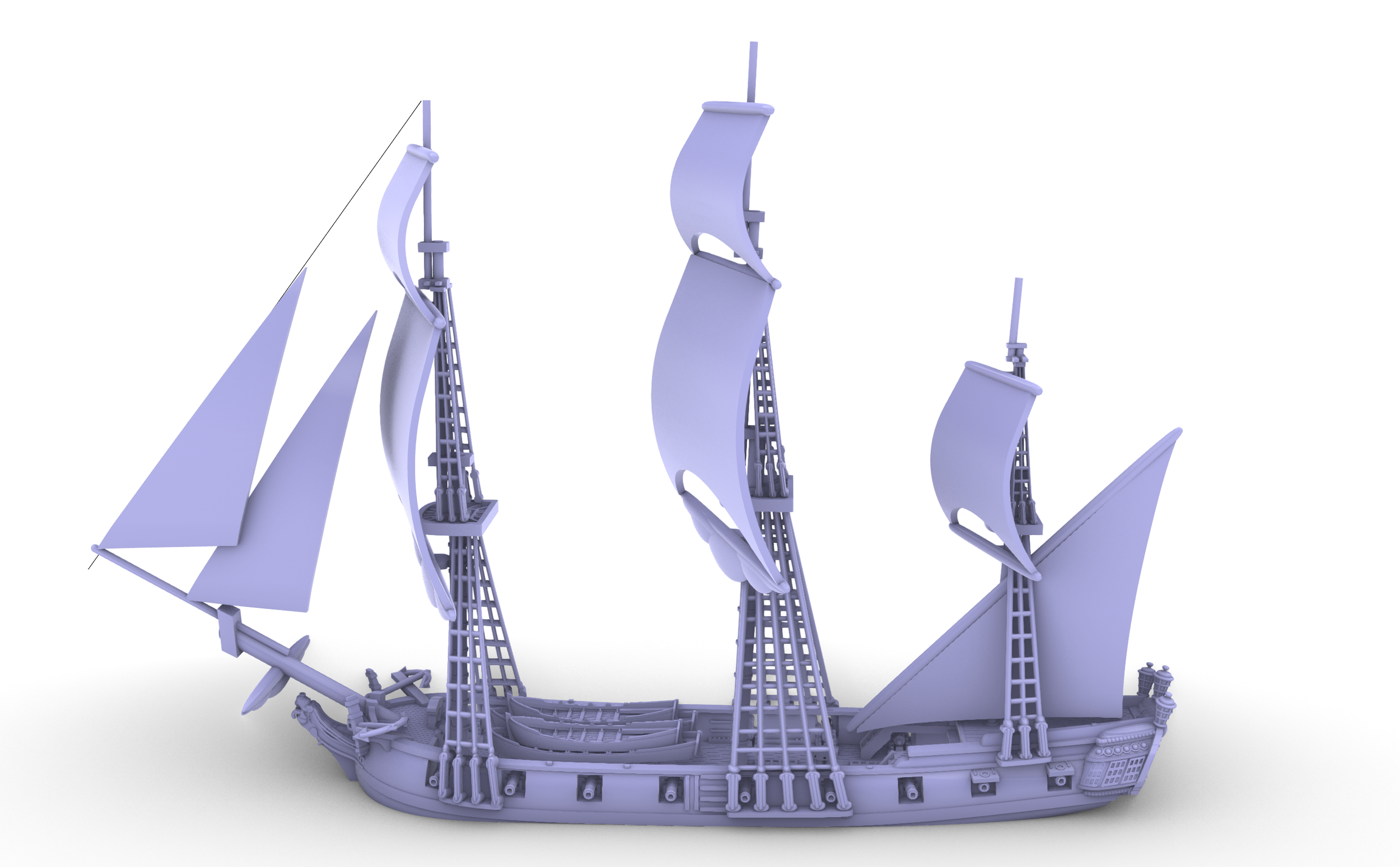
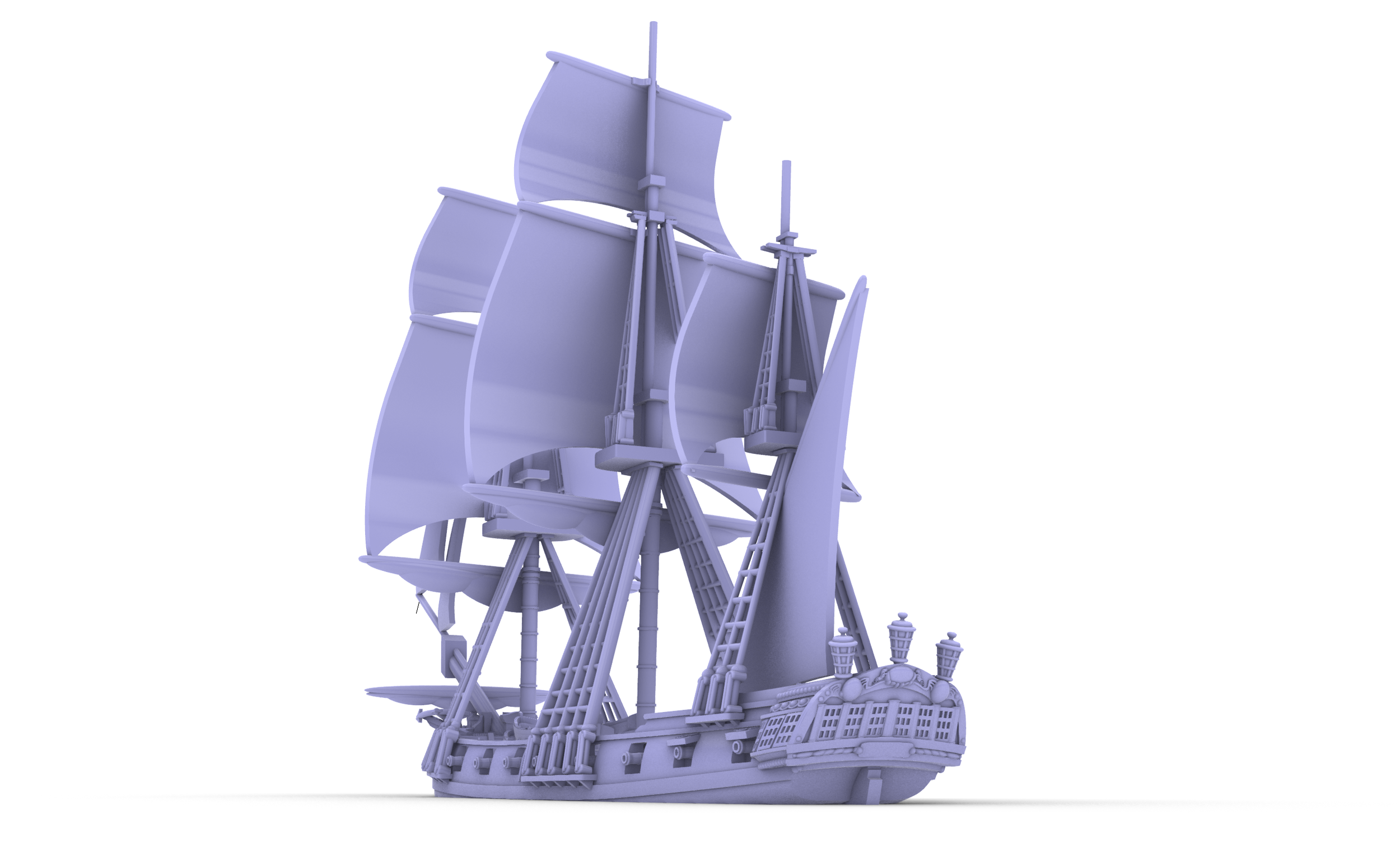
18-Gun Ship rigged Sloop of War
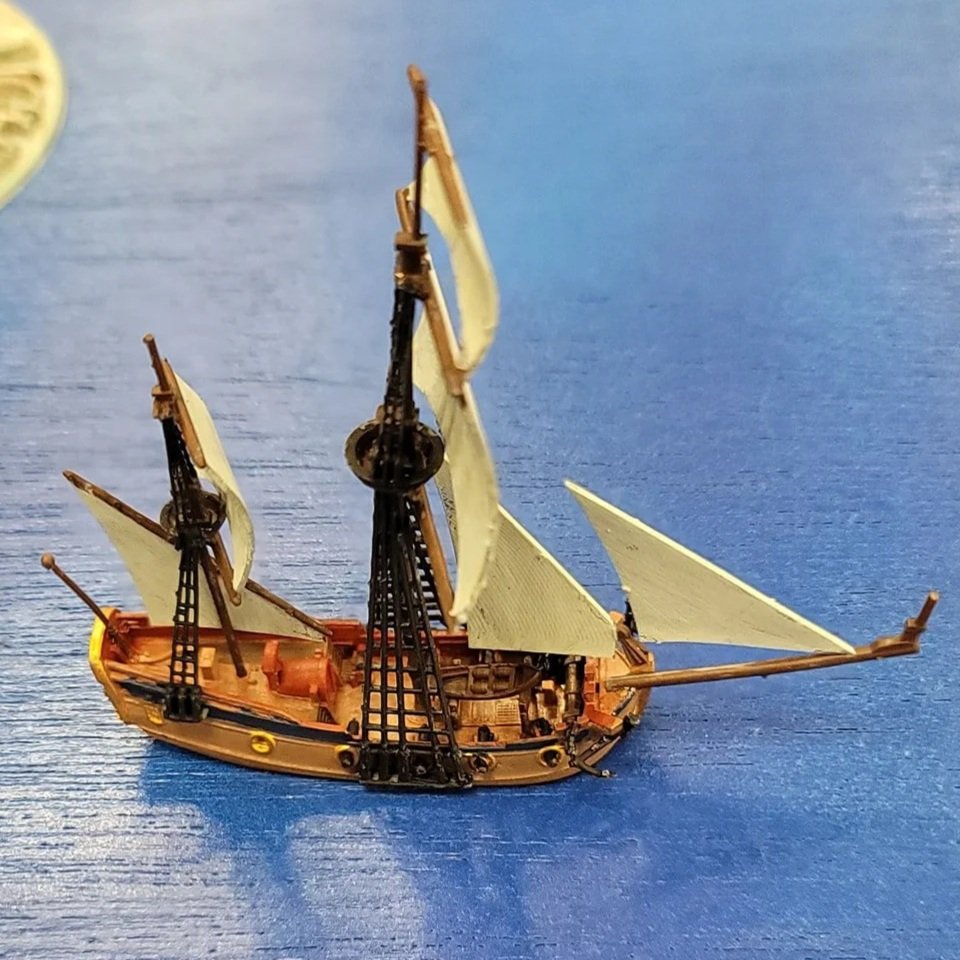
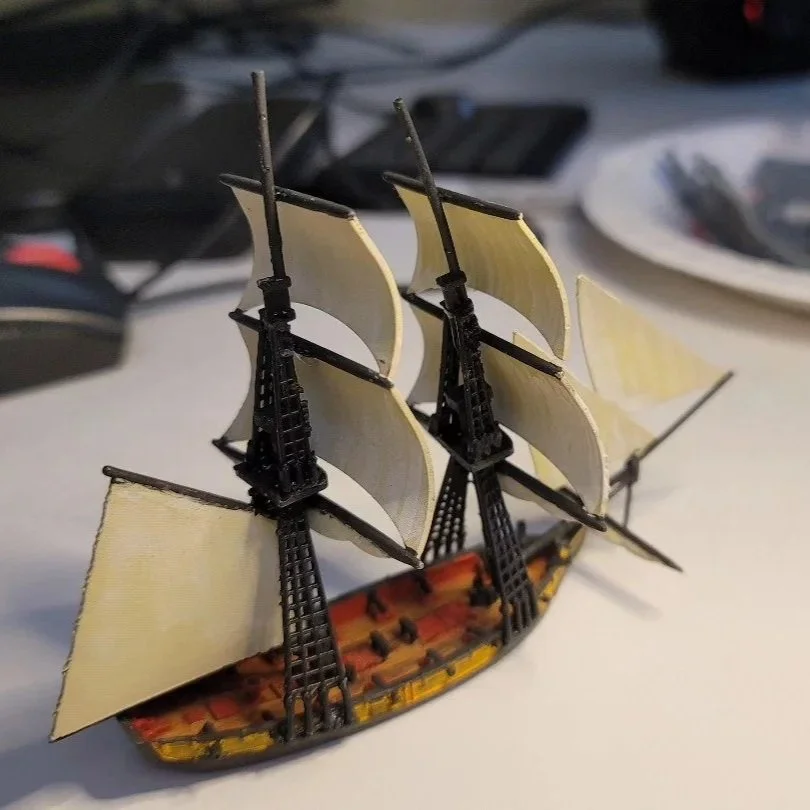
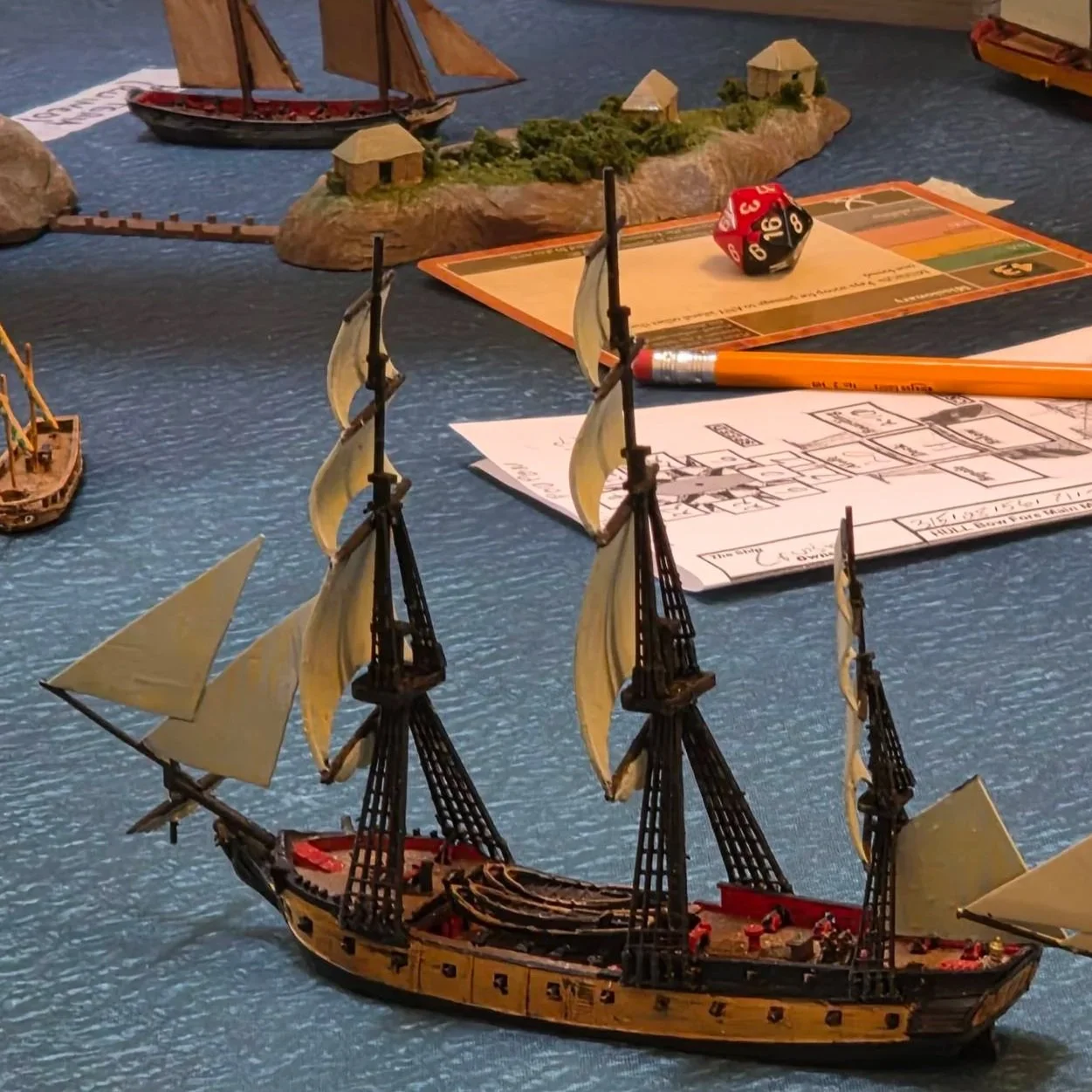
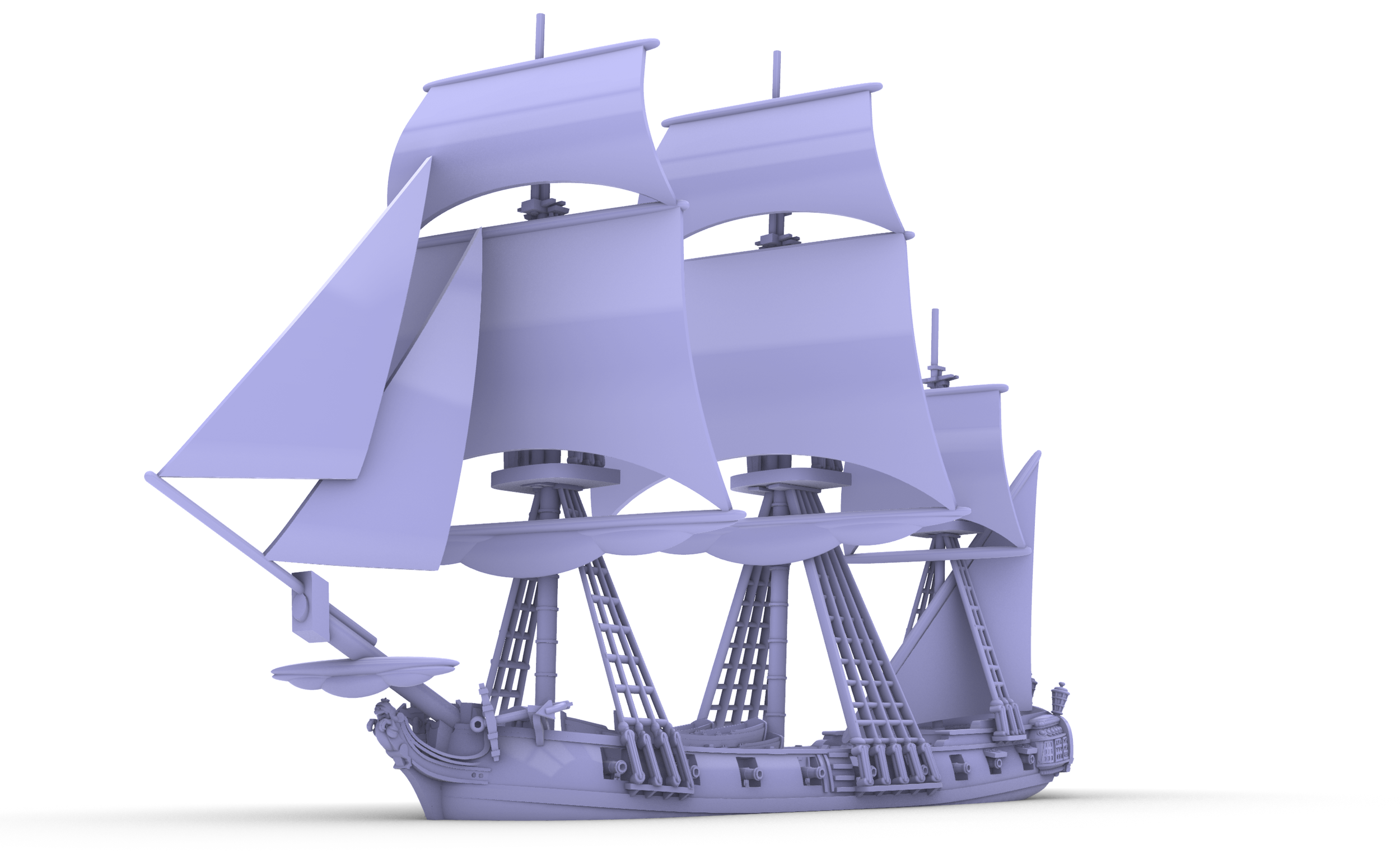
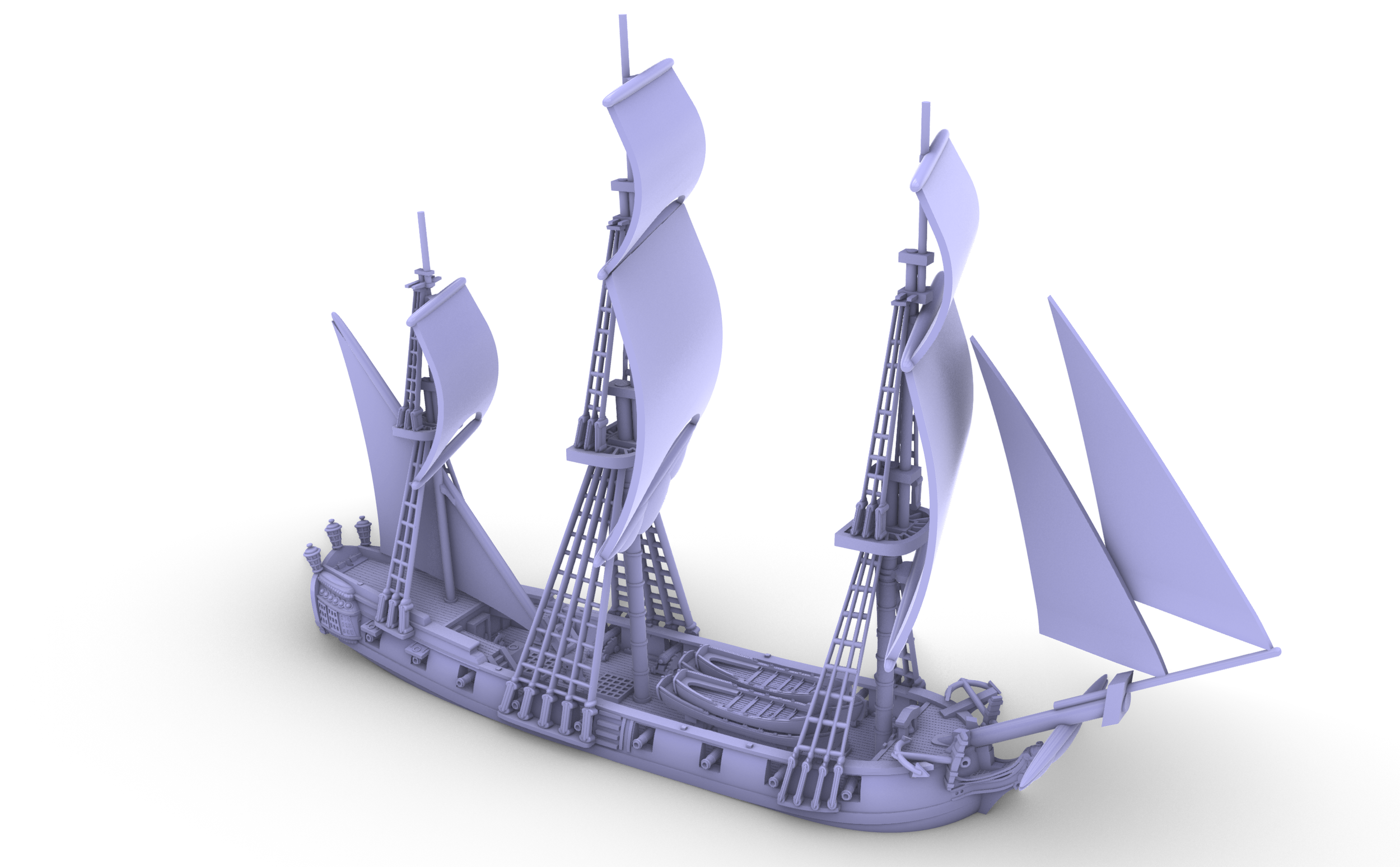
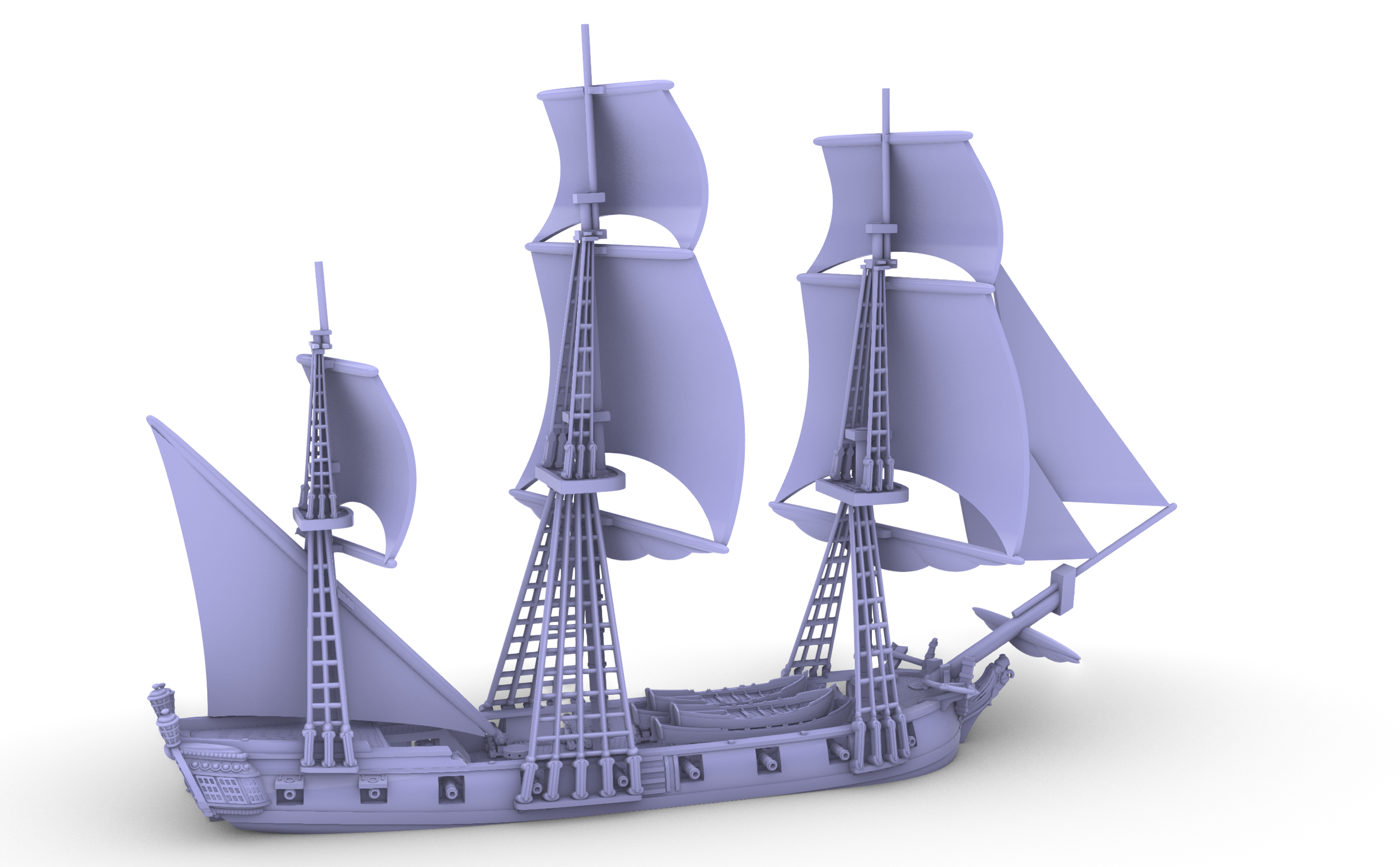
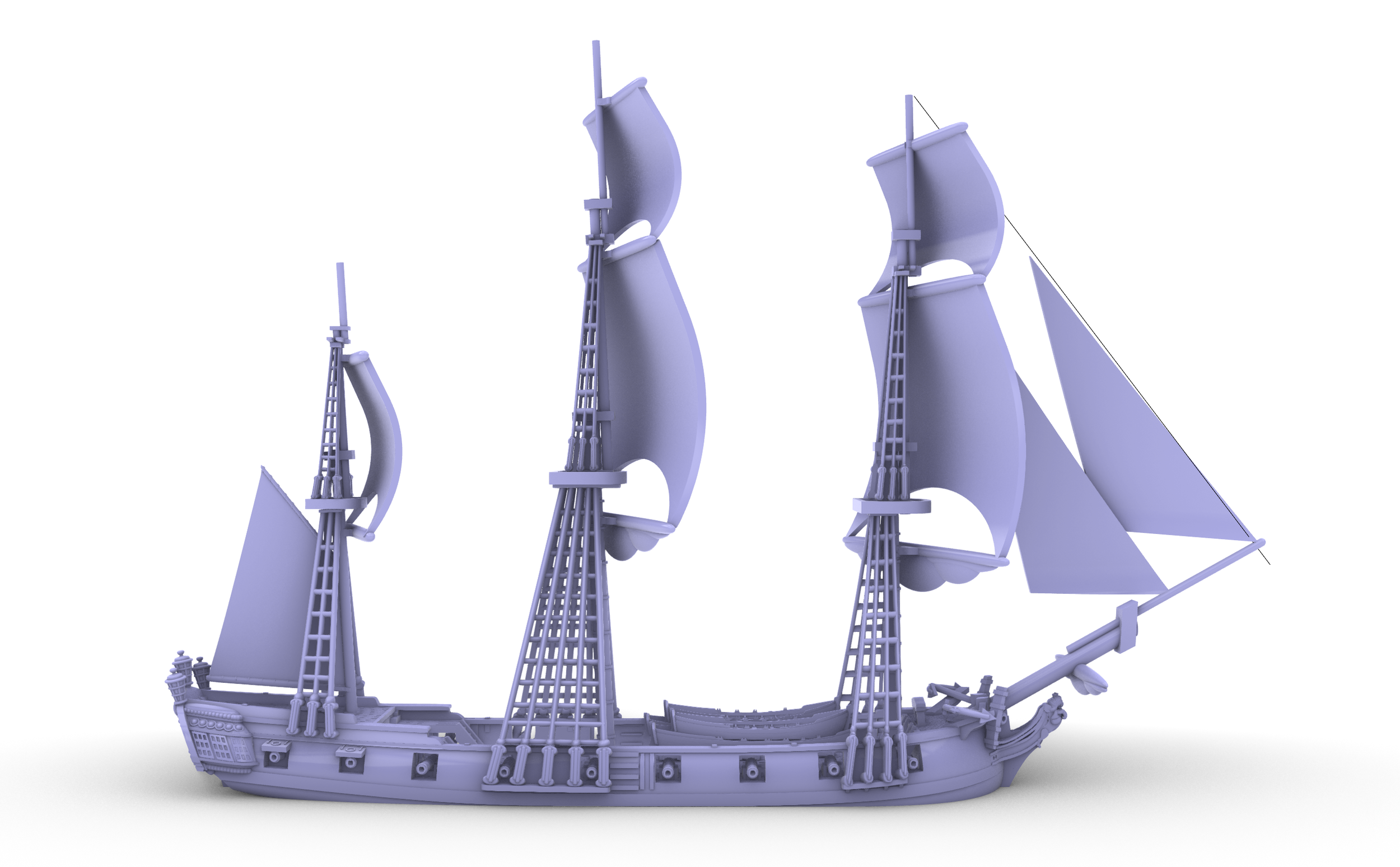
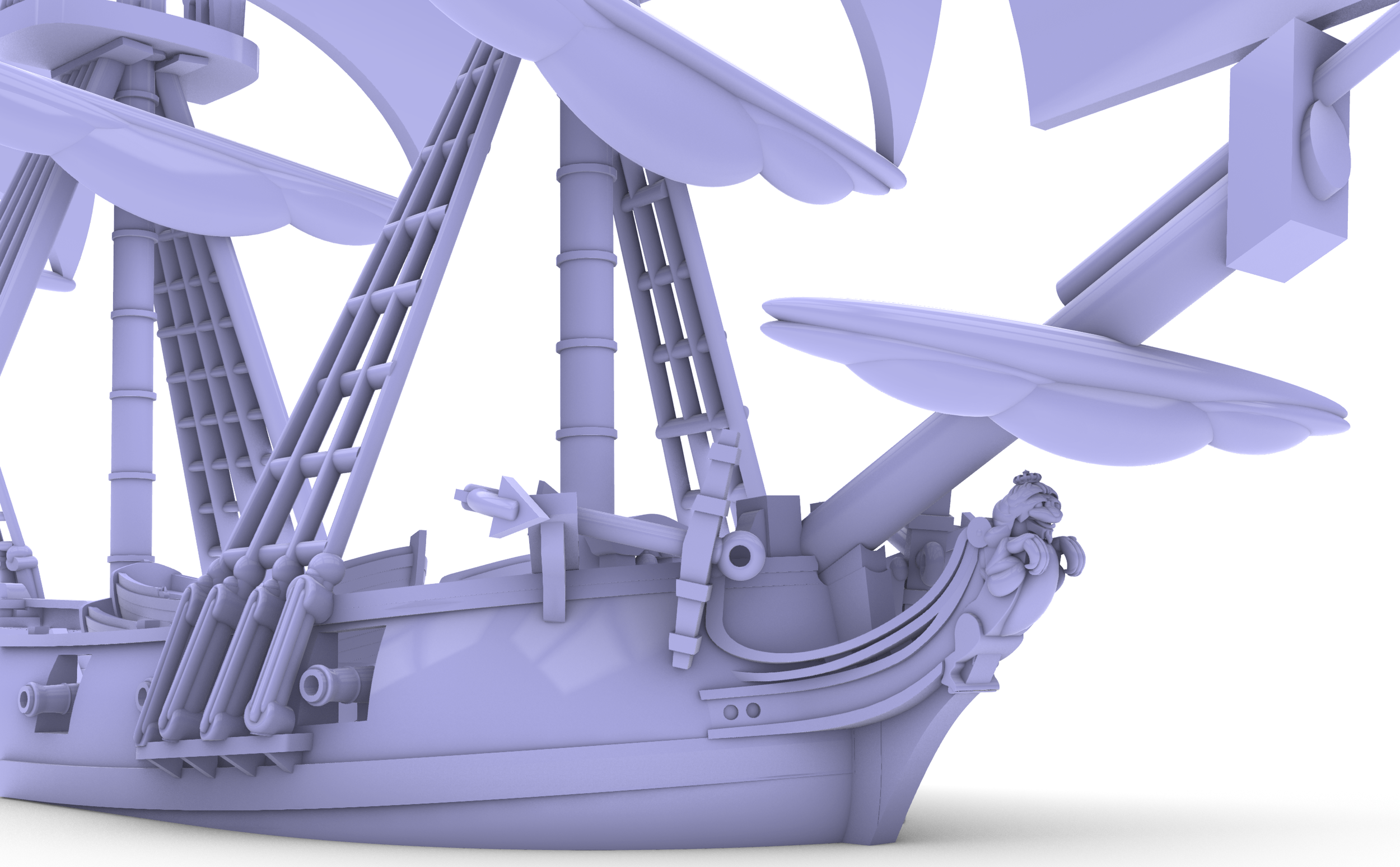
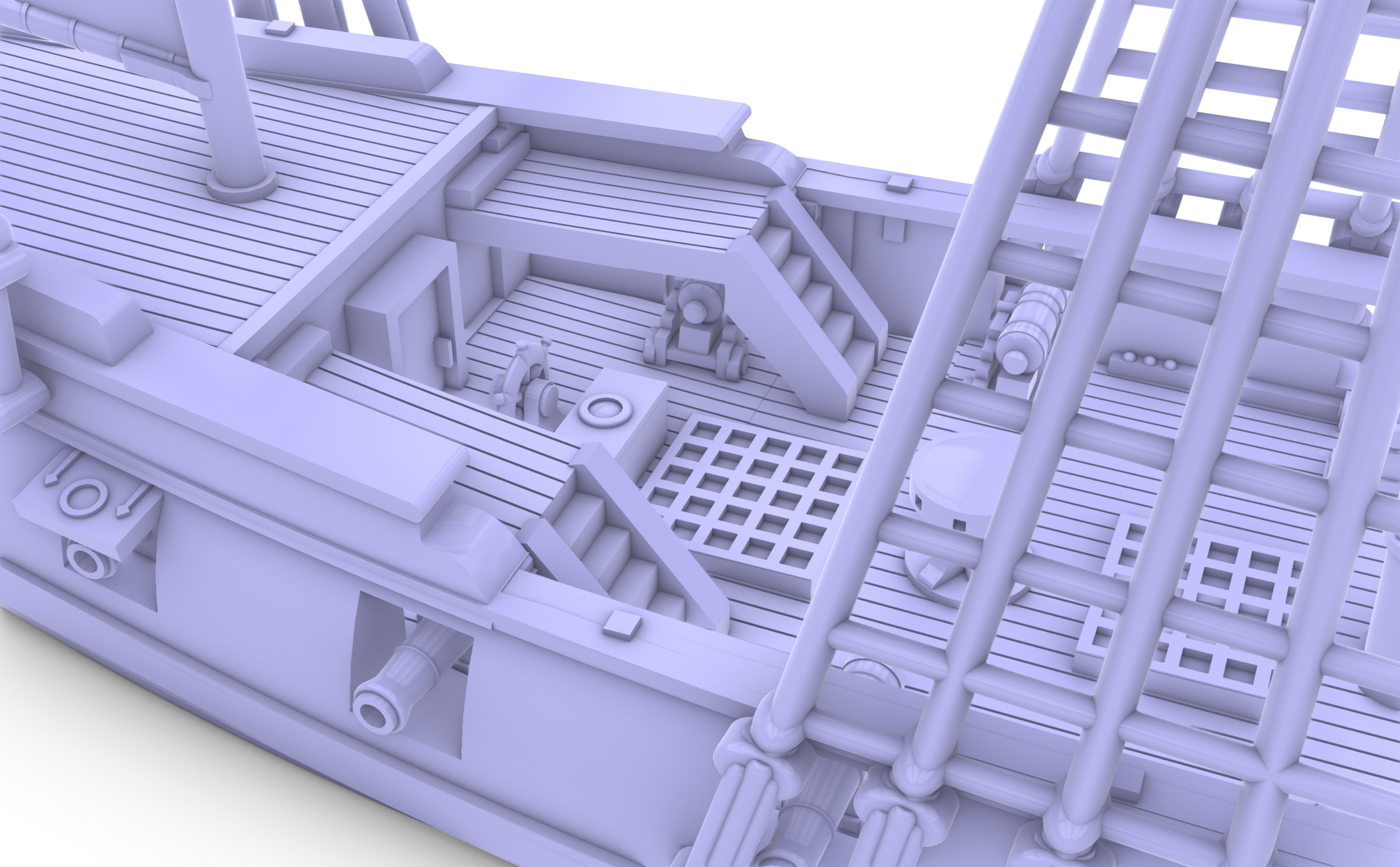
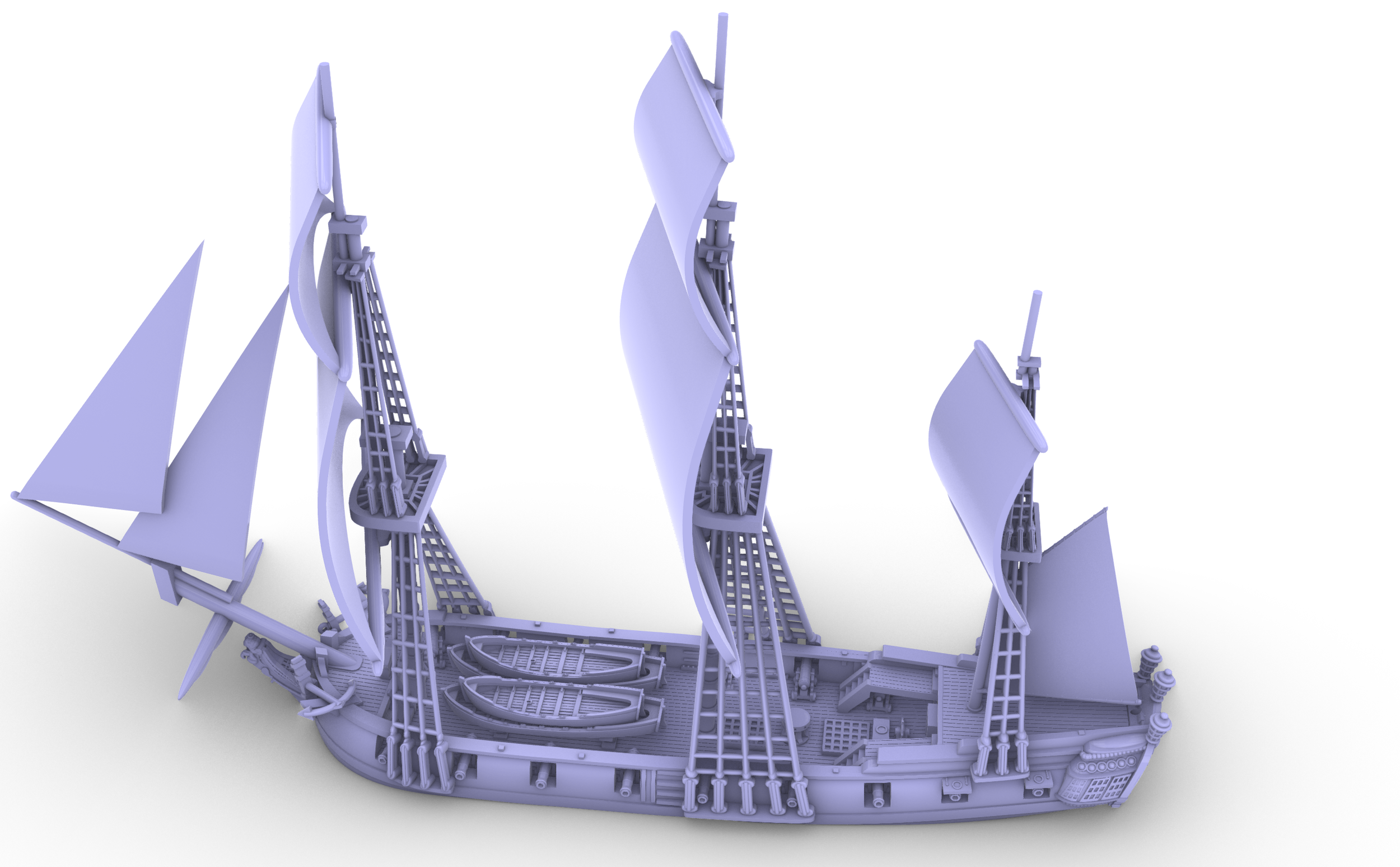
Take to the high seas with this tabletop gaming 18-gun ship rigged sloop of war miniature! She is armed with 18 long guns. and the kit features a optional lateen or gaff spanker for the mizzen mast. This is a great choice for games of Sailpower or 6MM scale naval games set pre carronade era.
6MM scale Captain’s Edition : This is the latest 6MM version of this kit featuring MSLA resin 3D printed hull, masts, shrouds and sails. The kit features an improved resin that has high detail but maintains part flexibility. The goal of the Captain’s Edition is to get a model on the table for gameplay in a faster manner then previous versions. This kit comes un-painted, and un-assembled.
Historic ship type:
“Sloop of war” is a term reflecting the ship’s role and not the rig. Whereas a “sloop rig” refers to being a single masted fore and aft ship, Sloop of war refers to being a light warship roughly akin to a modern destroyer. Sloops of war generally are either 2 or 3 masted, and approximately 80 to 115 feet in length. So while sloop of war is the type of vessel, you can differentiate them further by rig. If the vessel has 2 sqaure sail masts it would be a “brig sloop of war”, and if three a “ship rigged sloop of war” which is what is depicted with this model.
In Sailpower our base stats for this ship are based off a typical but storied sloop of war named USS Ranger.
Ranger was originally named Hampshire, launched May of 1777, built by master shipbuilder James Hackett, at the shipyard of John Langdon on what is now called Badger's Island in Kittery, Maine. The ship was renamed around the time Captain John Paul Jones was named her first commander.
The renaming honored Rogers' Rangers, a famous colonial militia unit from the French and Indian War, associated with the Portsmouth, New Hampshire region. The ship was built in the Portsmouth Naval Shipyard area, and the name change tied it to local military tradition and the spirit of frontier "rangers" (scouts or irregular fighters
After fitting out, she sailed for France on 1 November 1777, carrying dispatches telling of British General John Burgoyne's surrender to the commissioners in Paris. On the voyage, two British prizes were captured. Ranger arrived at Nantes, France, on 2 December, where Jones sold the prizes and delivered the news of the victory at Saratoga to ambassador Benjamin Franklin.
Ranger made several other cruises before being ordered to Commodore Abraham Whipple's squadron, arriving at Charleston, South Carolina to support the garrison there under siege by the British. On January 1780, Ranger and sloop Providence(a smaller ship with a sloop rig, also previously captains by John Paul Jones ), in a short cruise down the coast, captured three transports, loaded with supplies, near Tybee, Georgia. They learned that the British army was enroute to capture Charleston sailed back to Charleston with the news. Shortly afterwards the British commenced the final push. Although the channel and harbor configuration made naval operations and support difficult, Ranger took a station in the Cooper River and was captured when Charleston fell on 11 May 1780.
Ranger was commissioned into the British Royal Navy as HMS Halifax, then decommissioned in Portsmouth, England, in 1781, then sold as a merchant vessel for about 3 percent of her original cost.