TechCommander Game ACTION PAK: Captain Redbeard’s Cadet Challenge
TechCommander Game ACTION PAK: Captain Redbeard’s Cadet Challenge
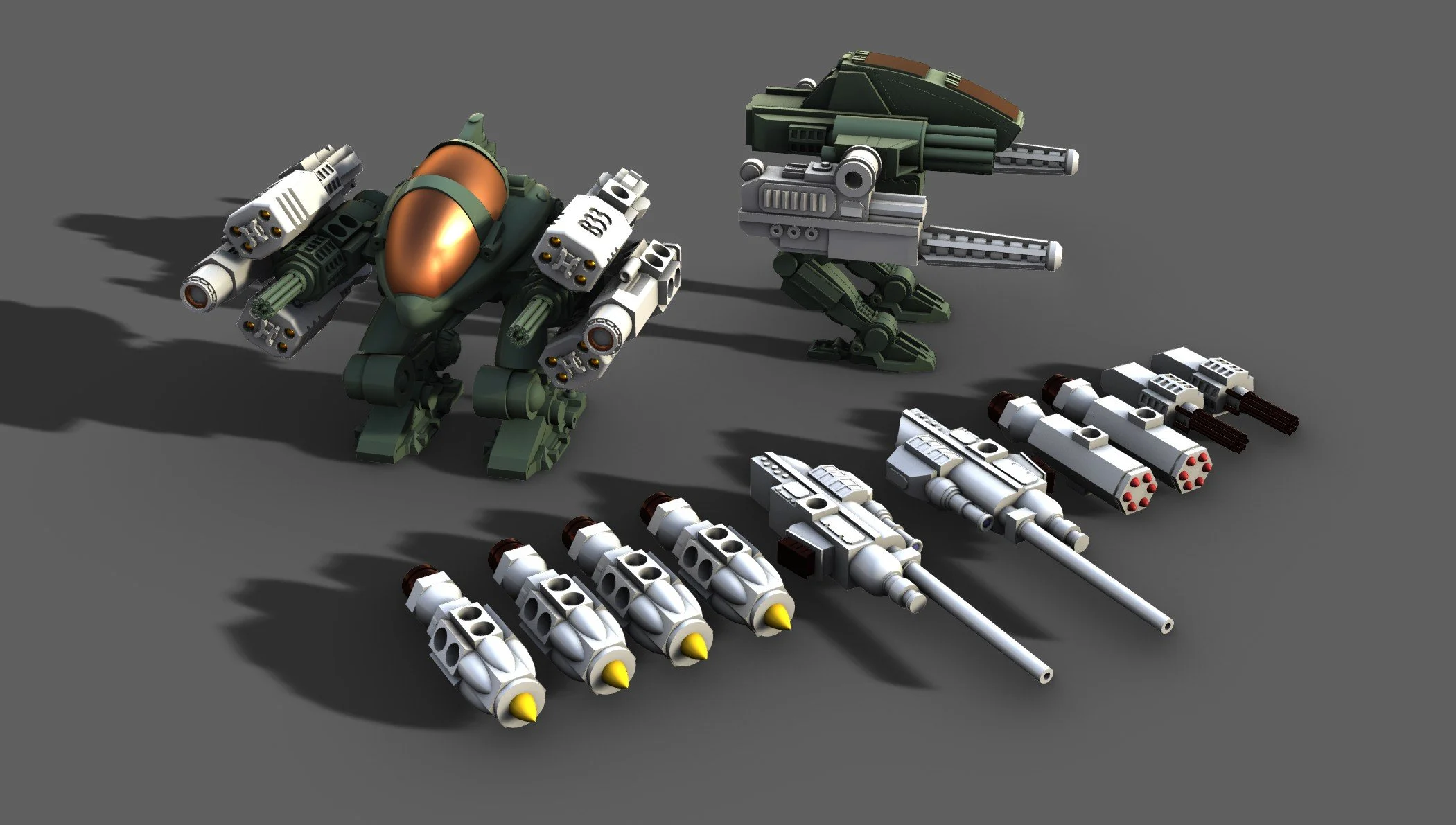
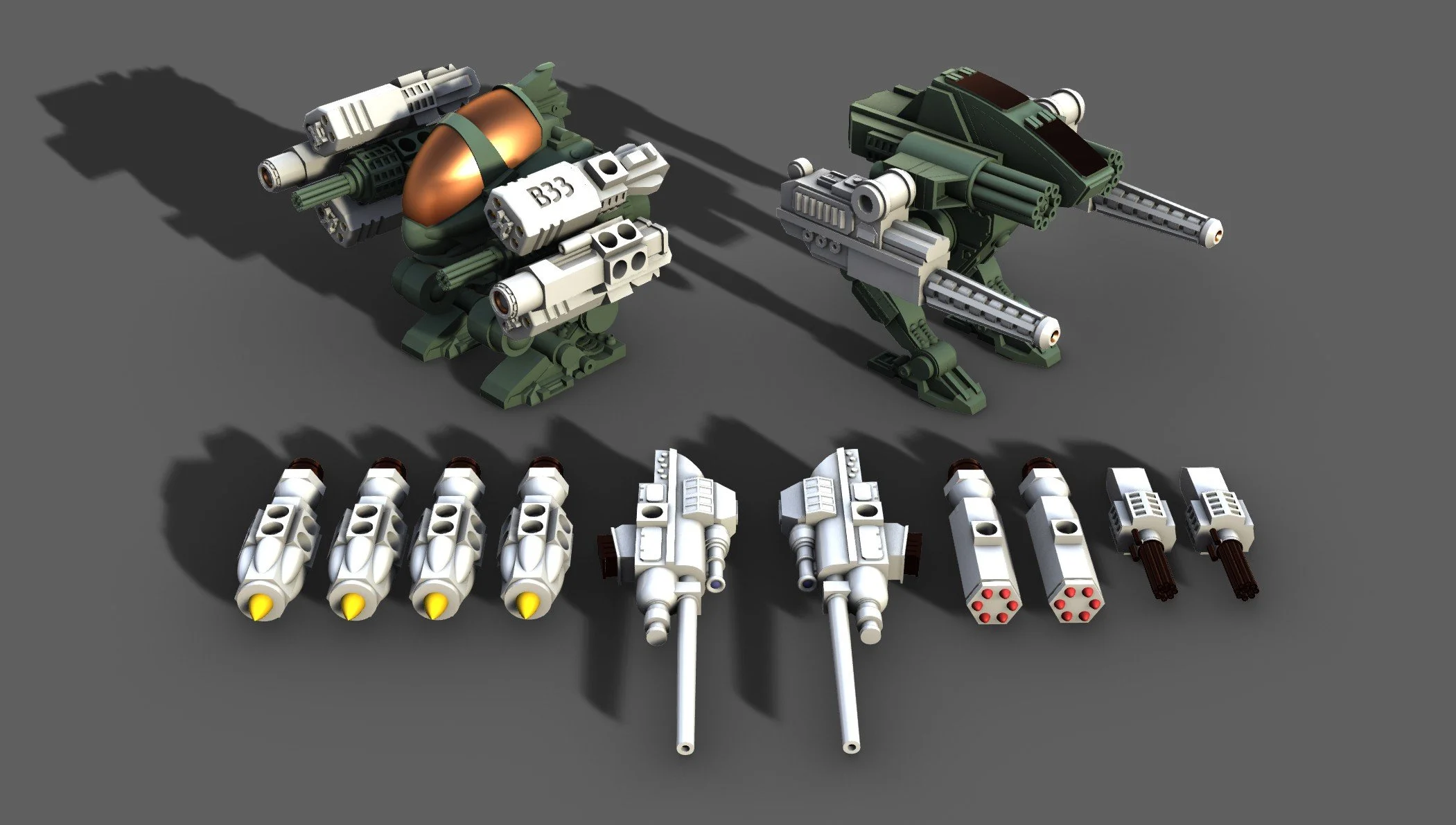
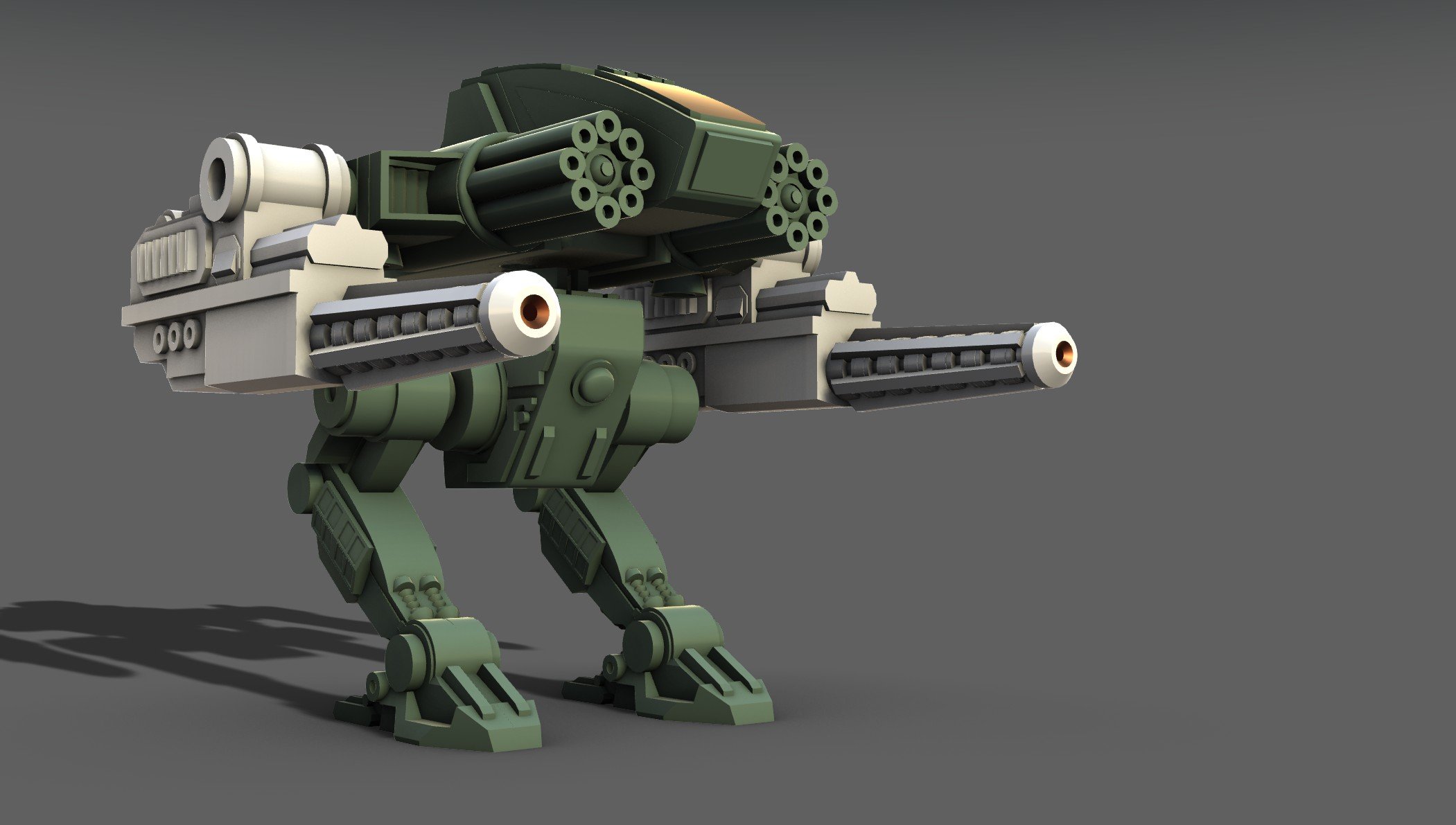
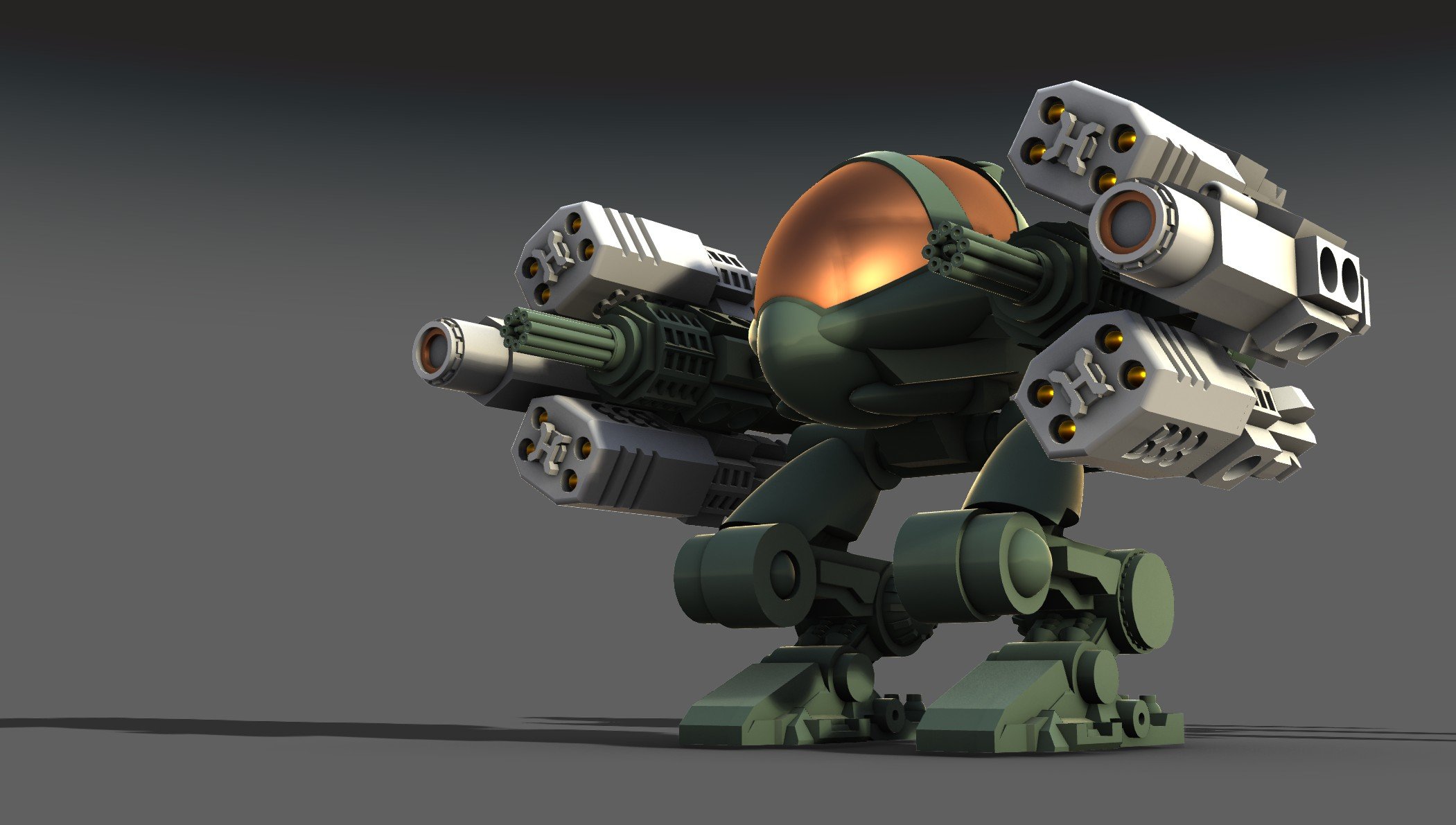
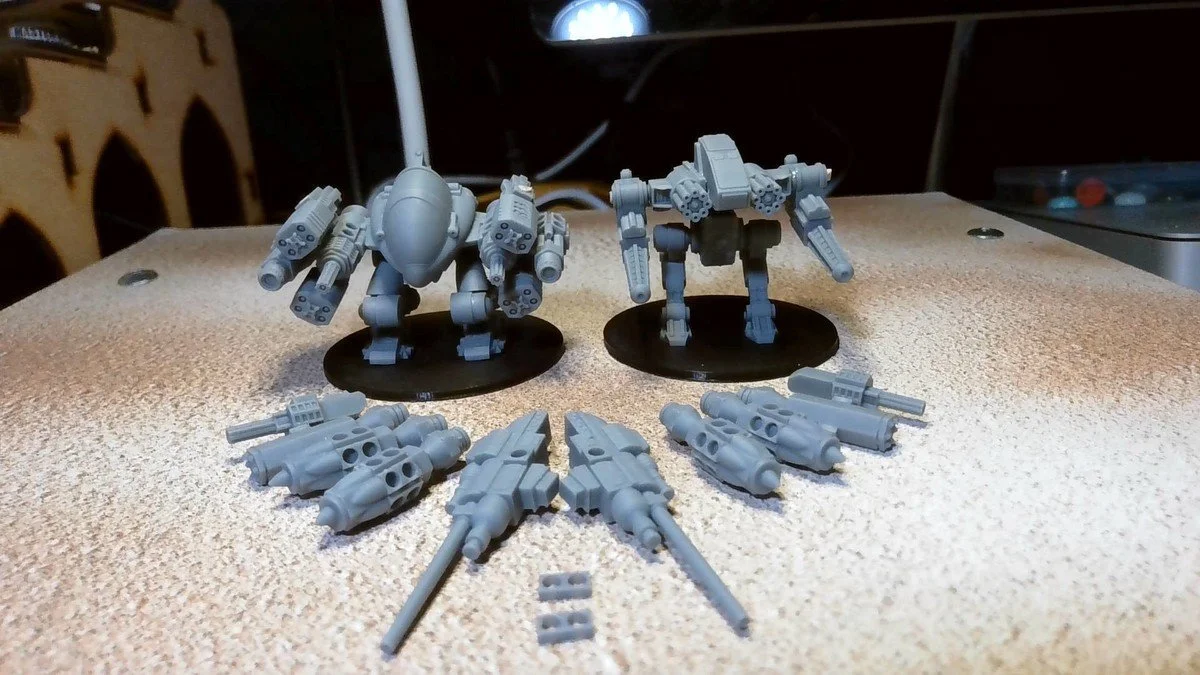
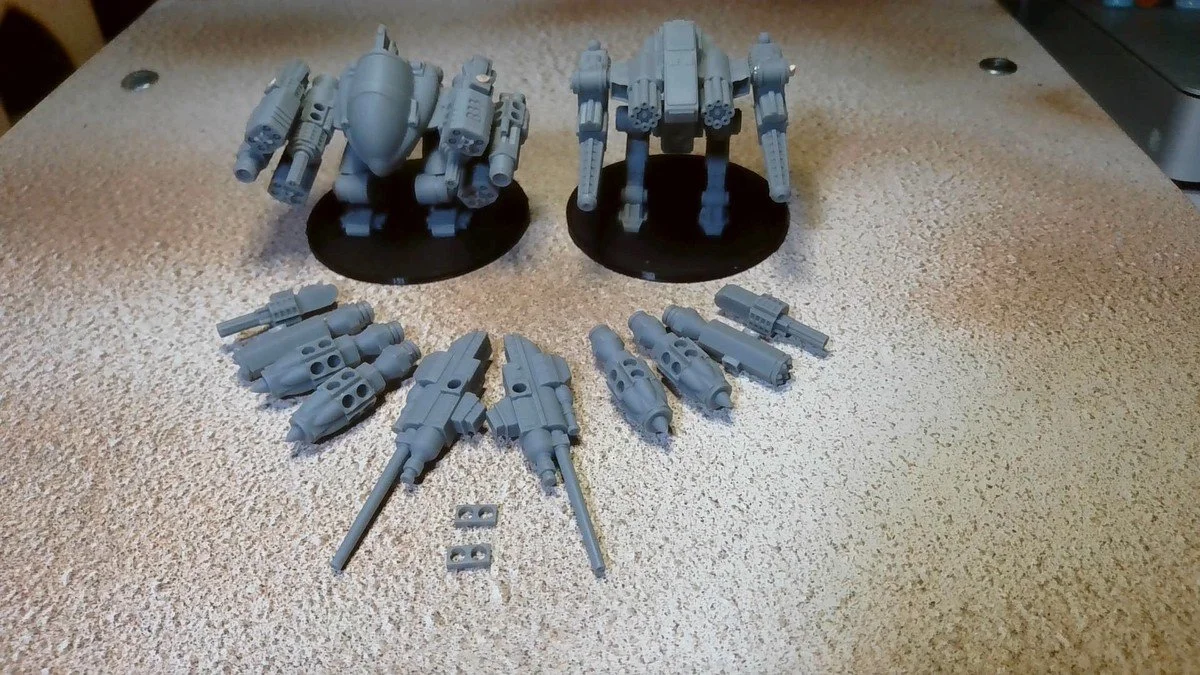
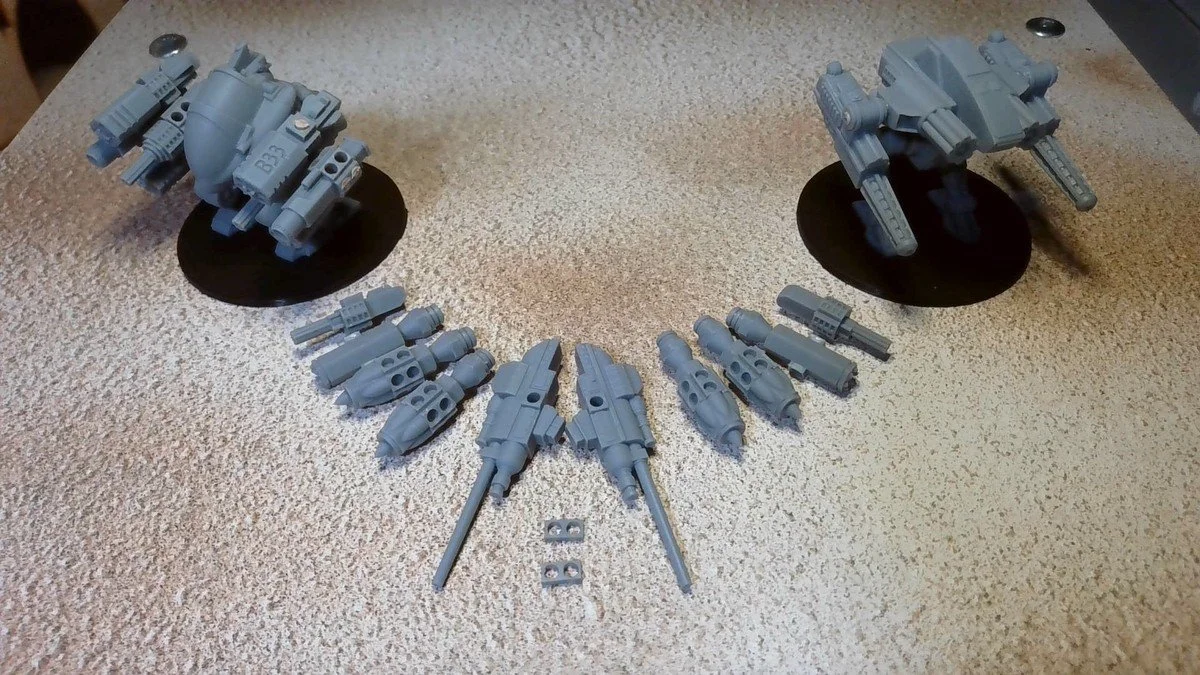
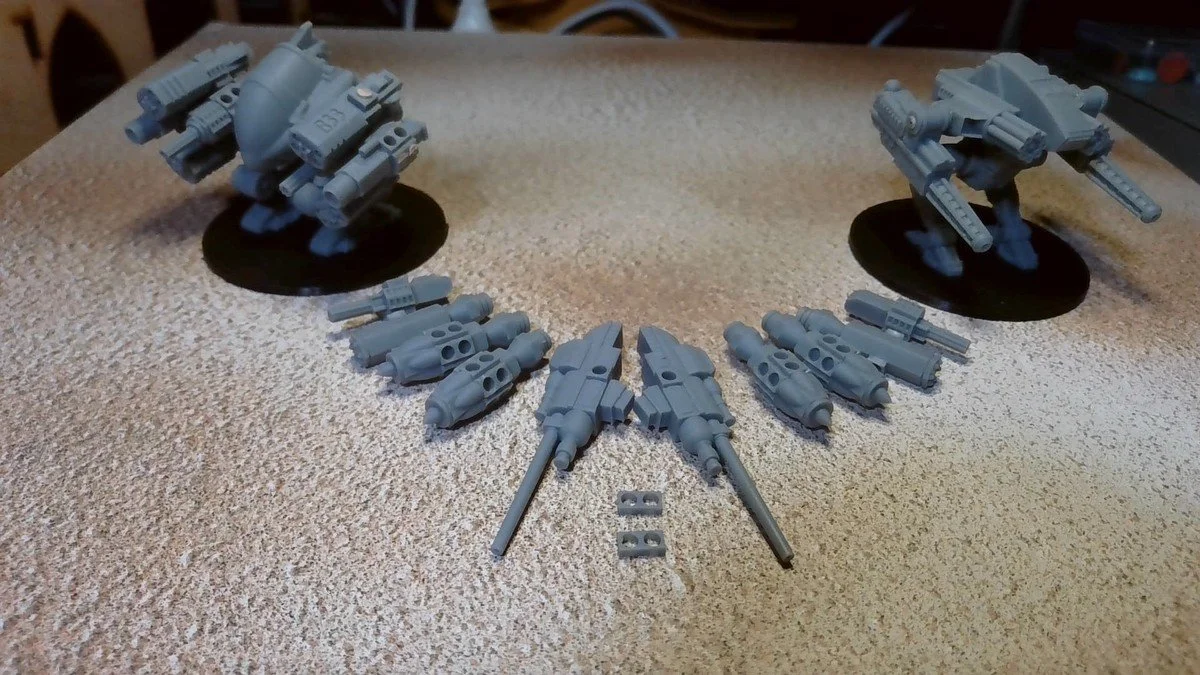
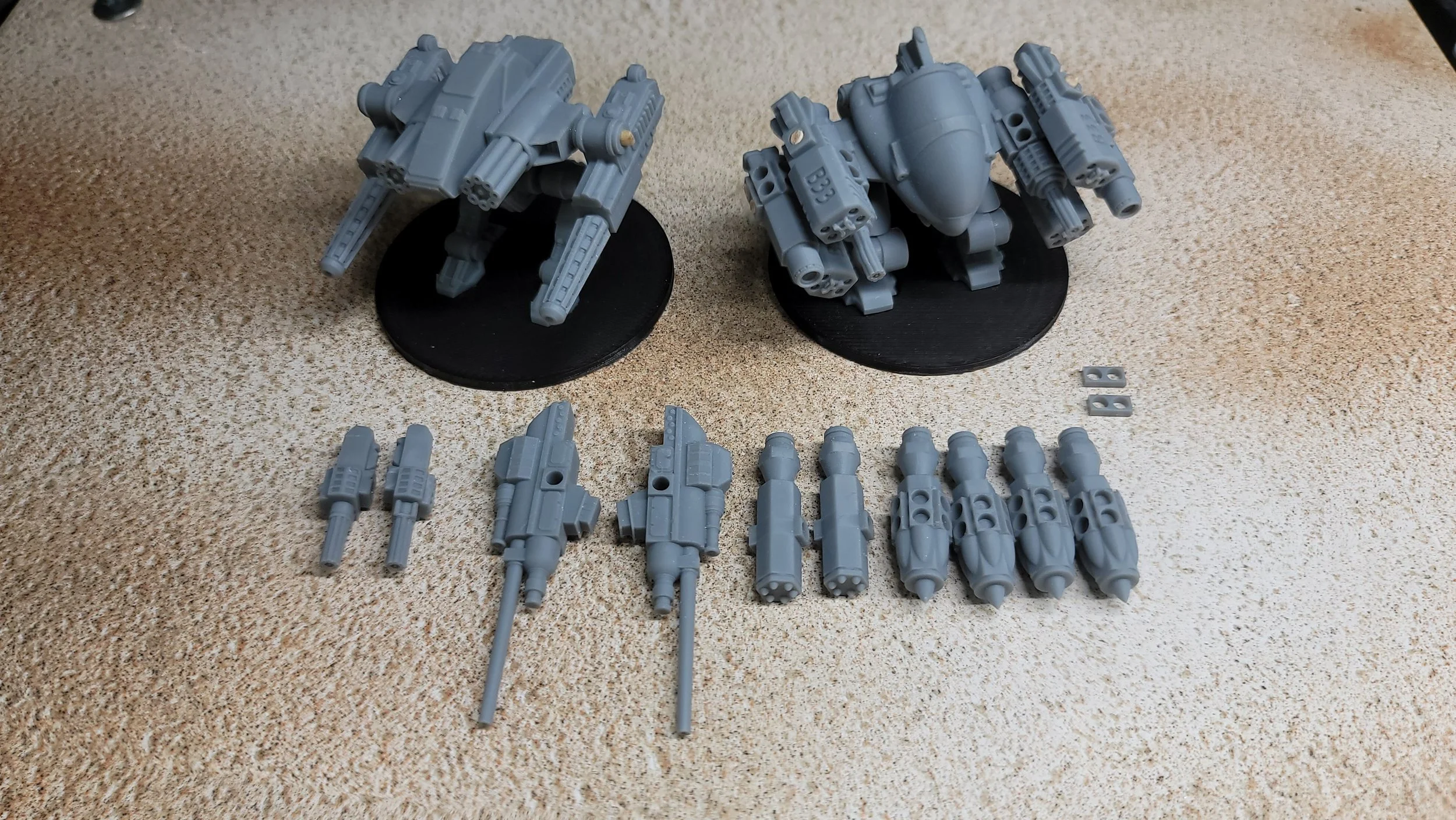
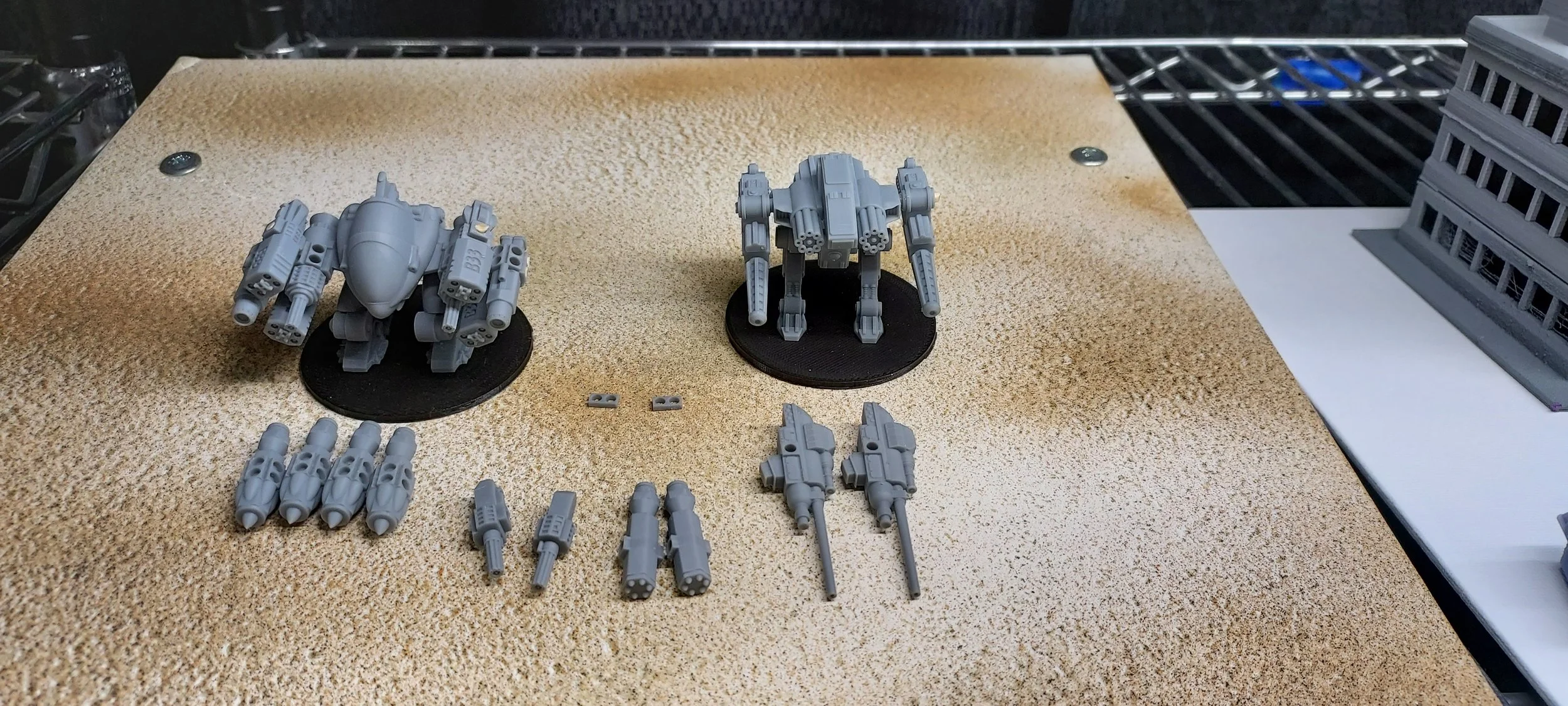
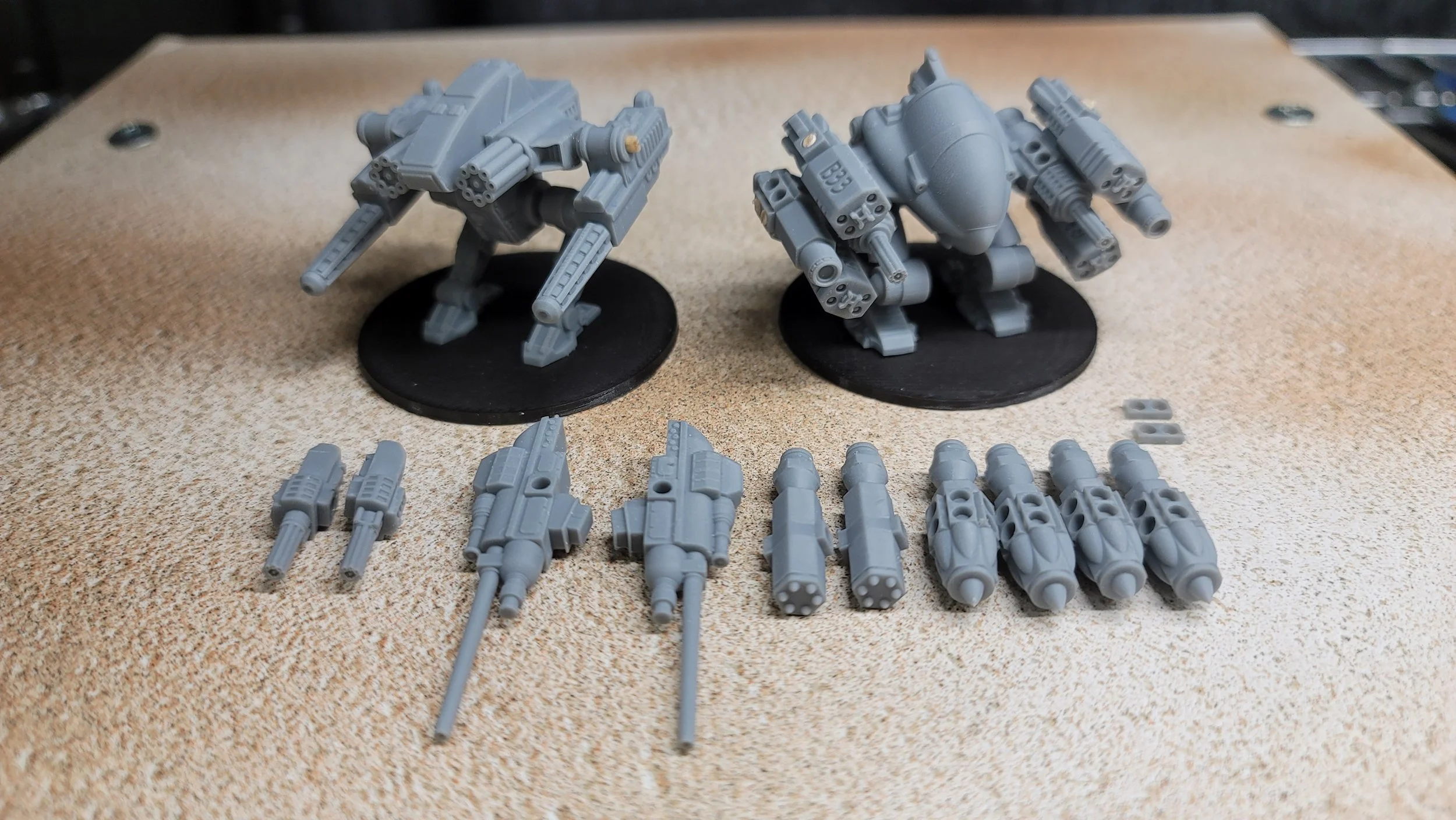
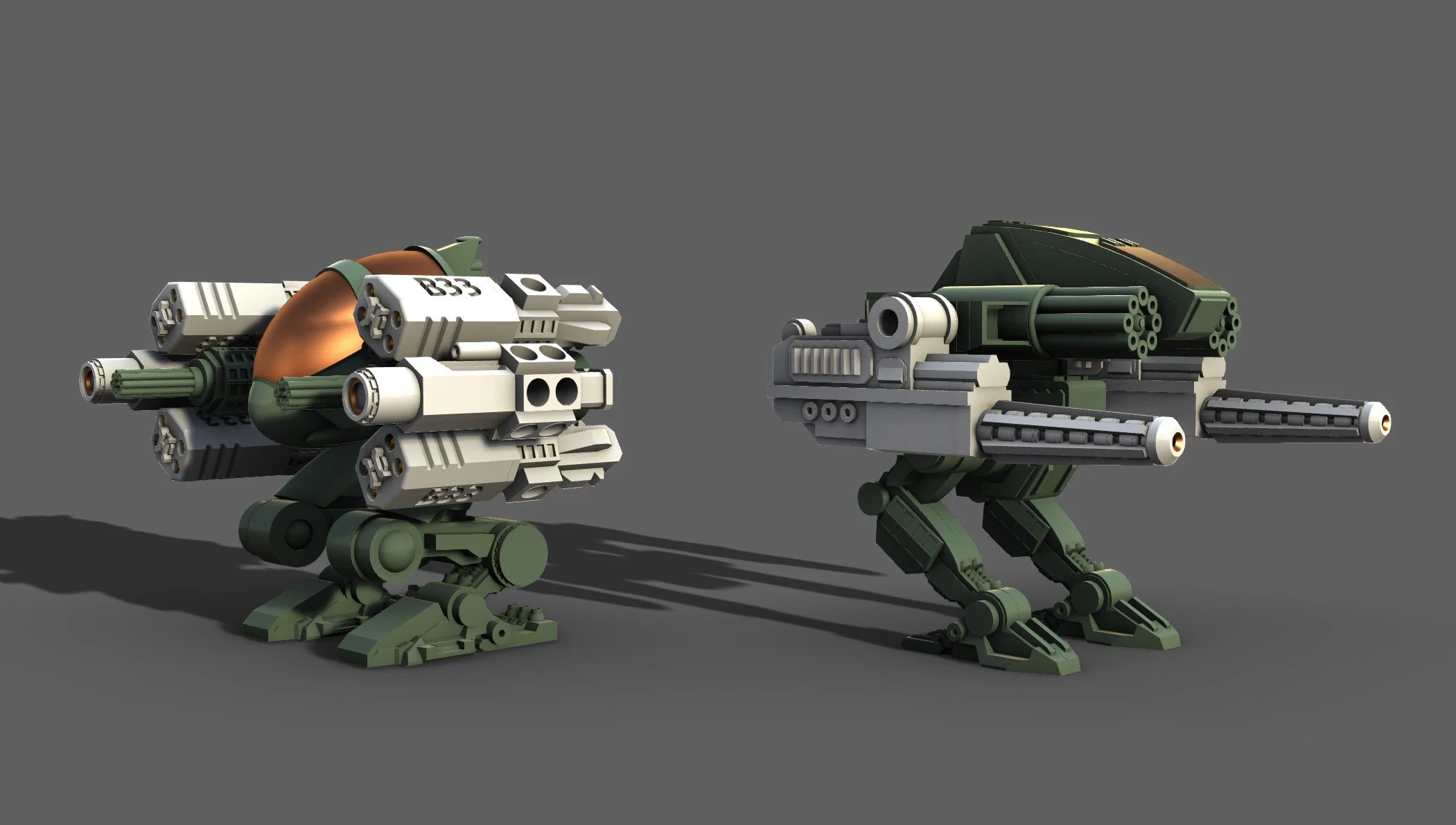
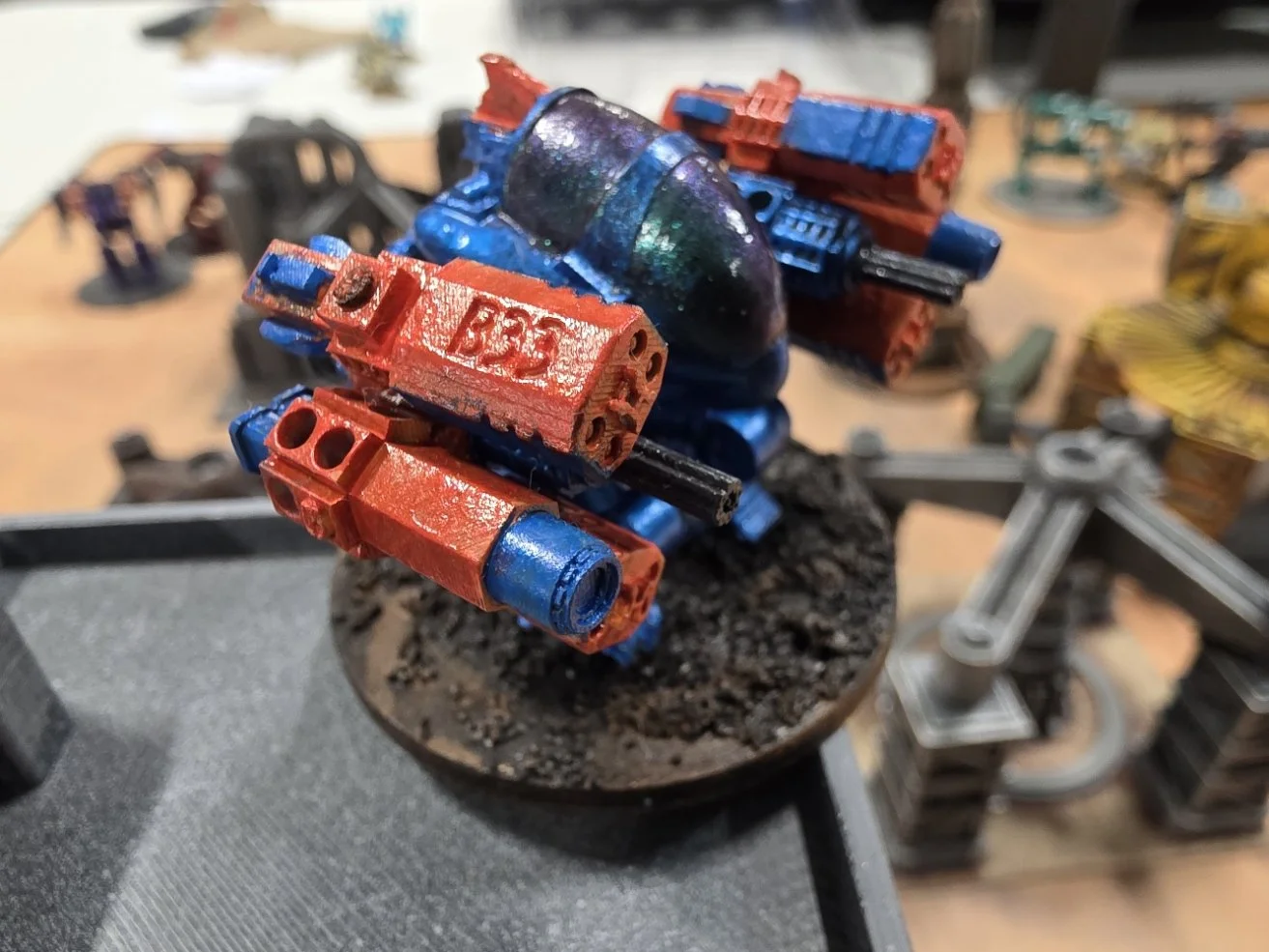
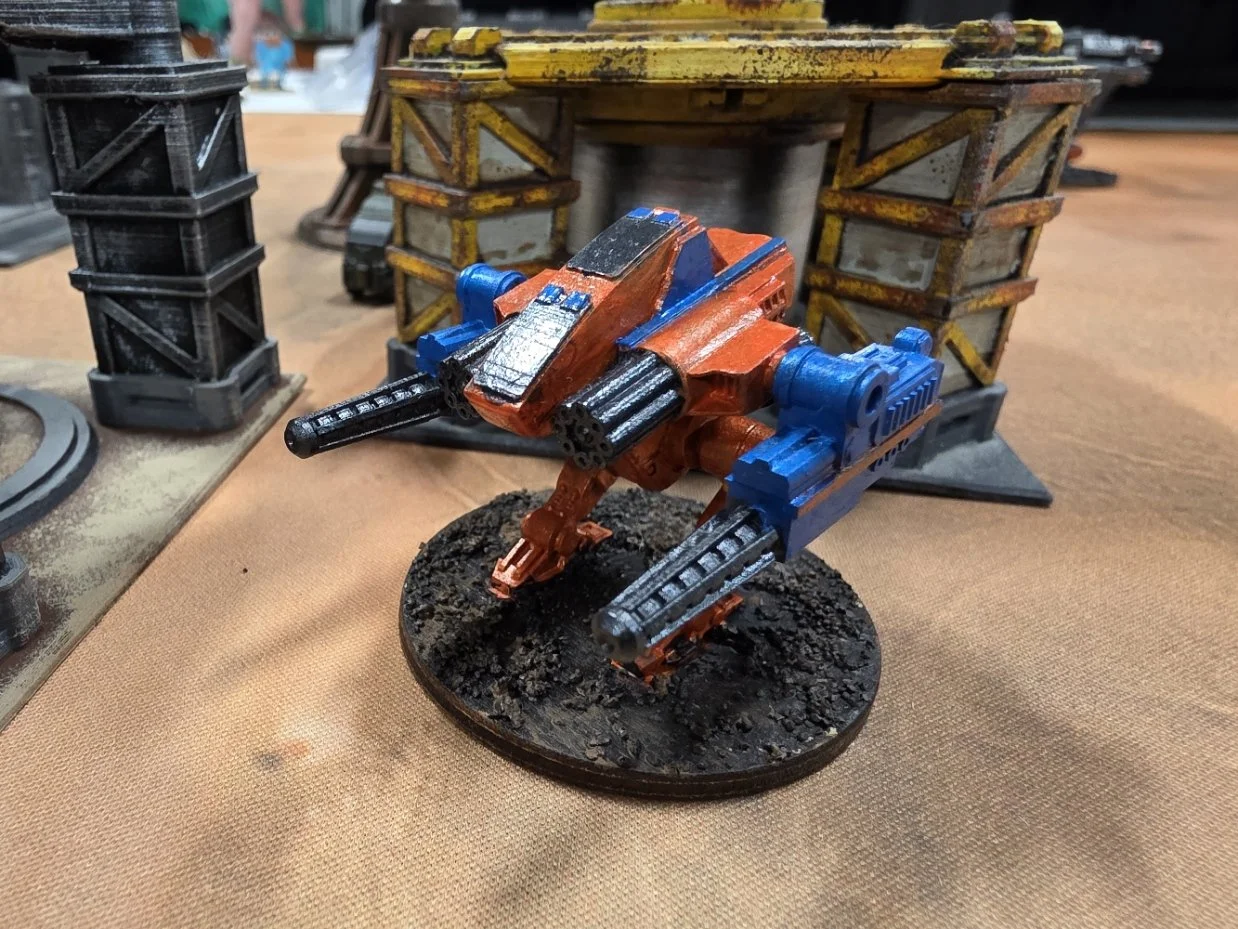
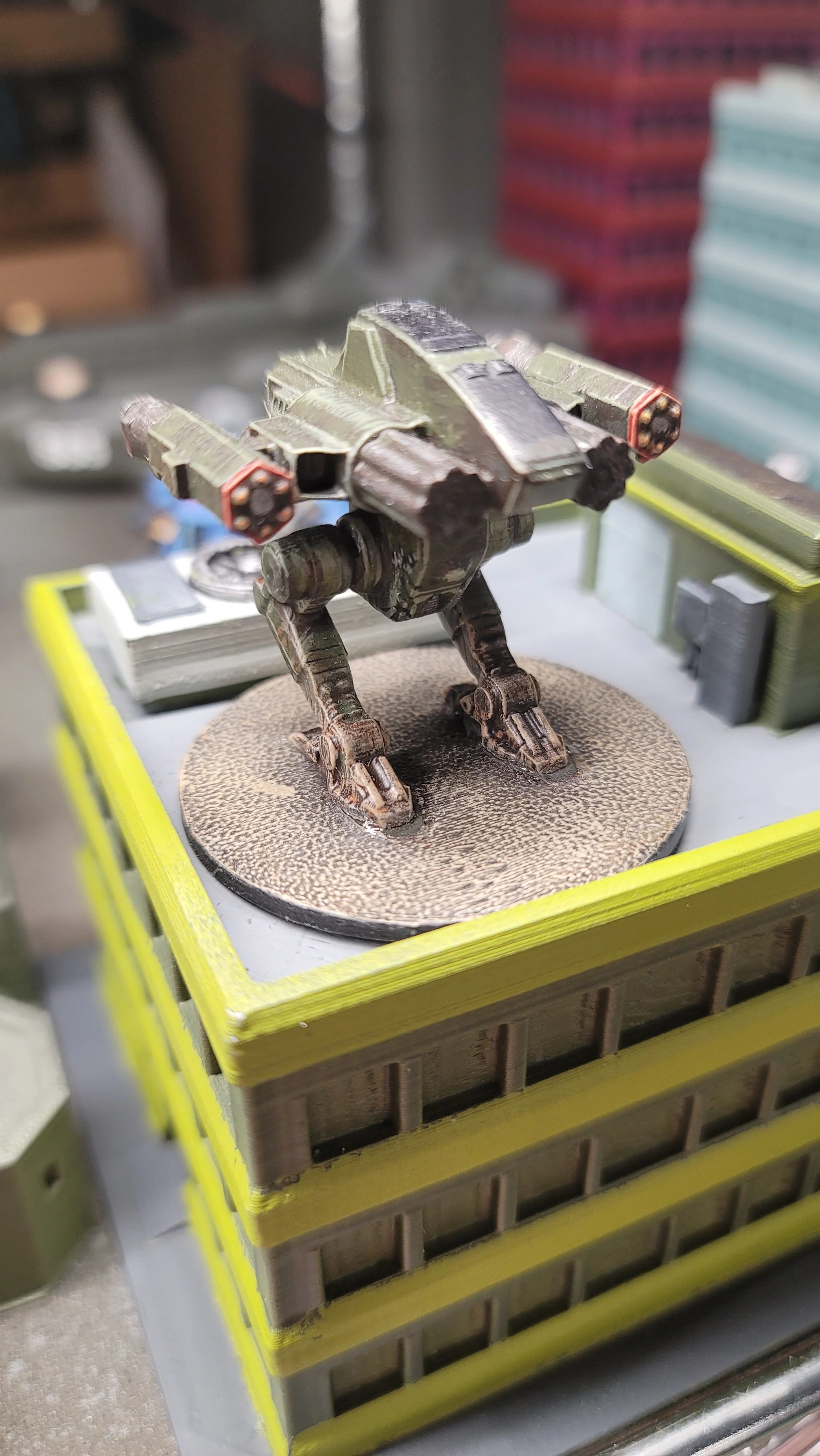
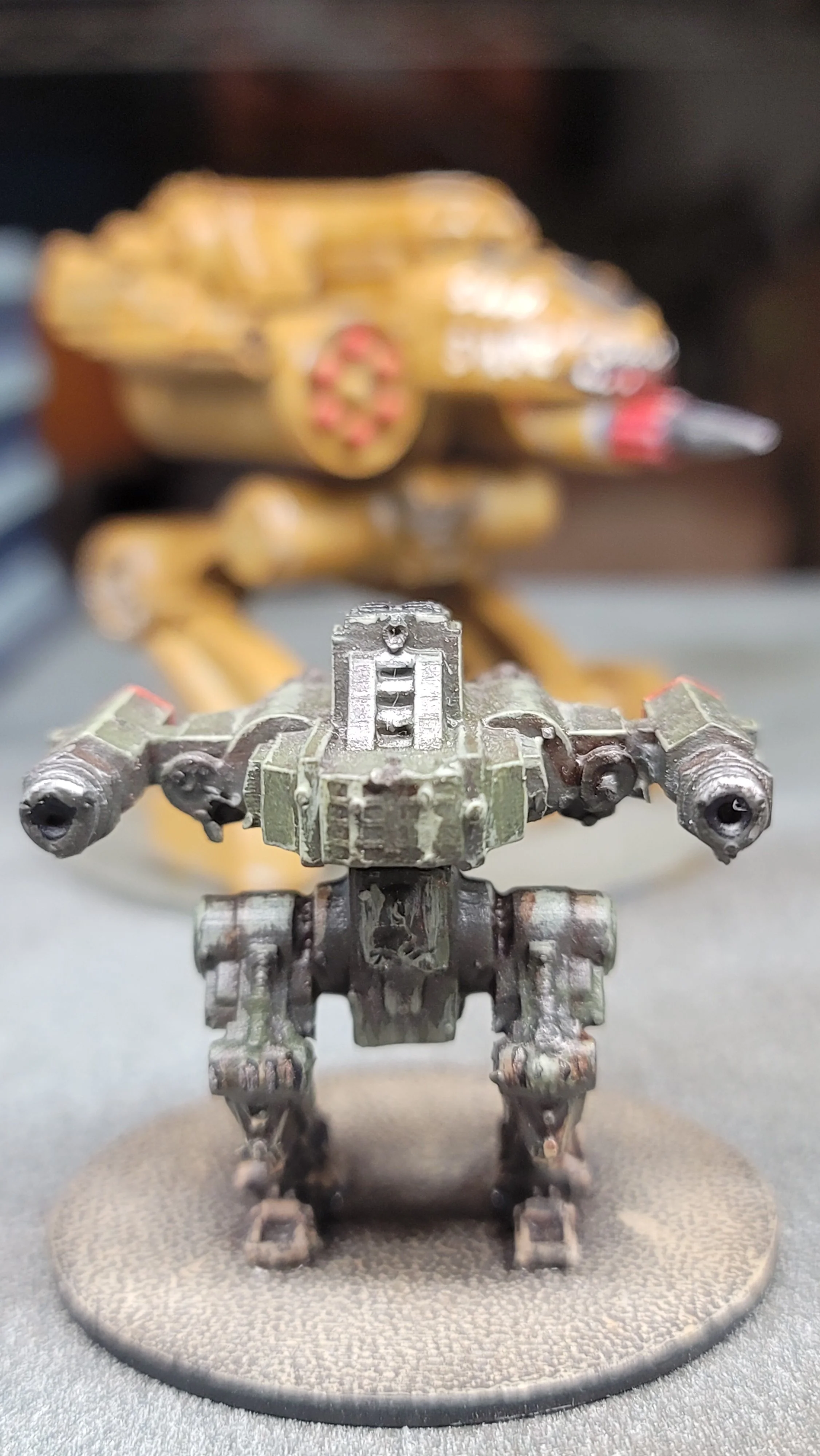
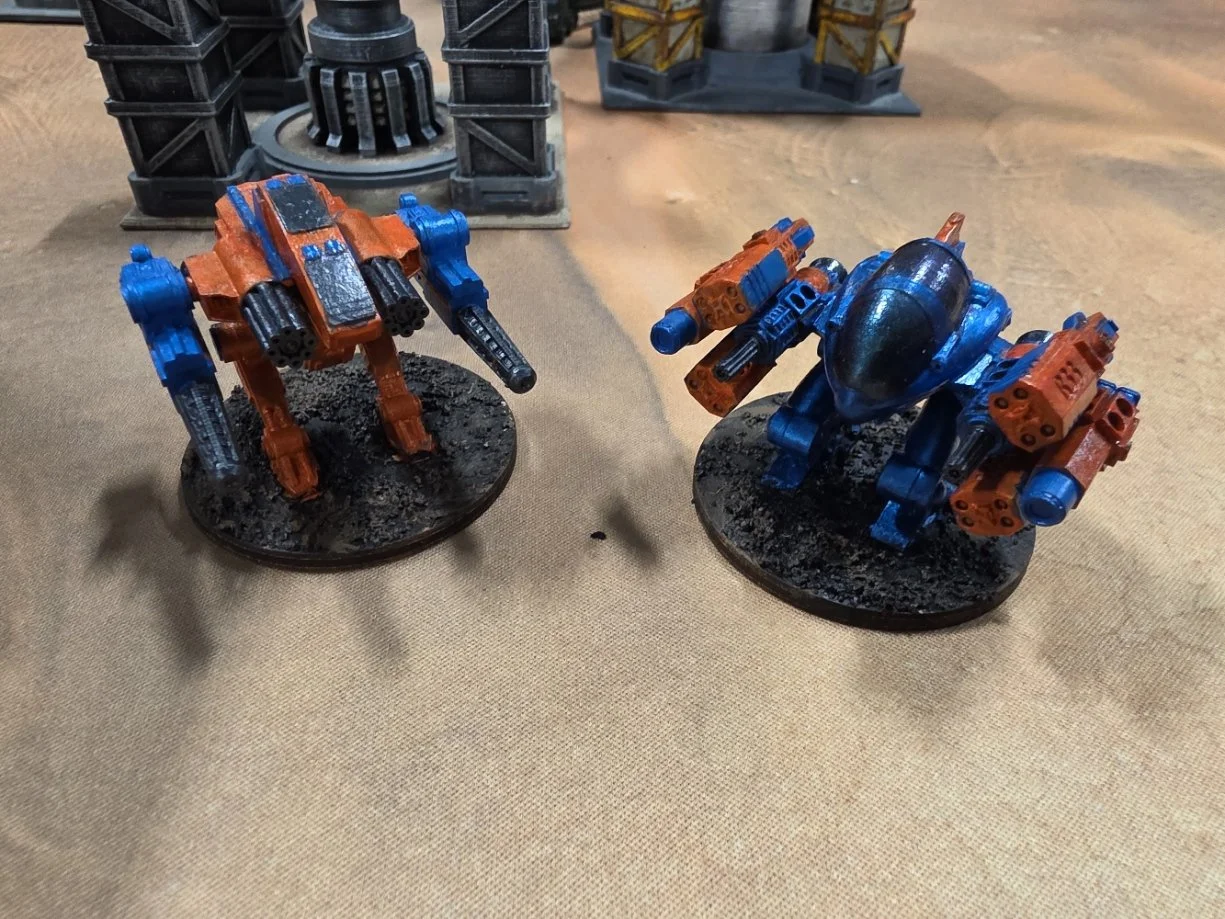
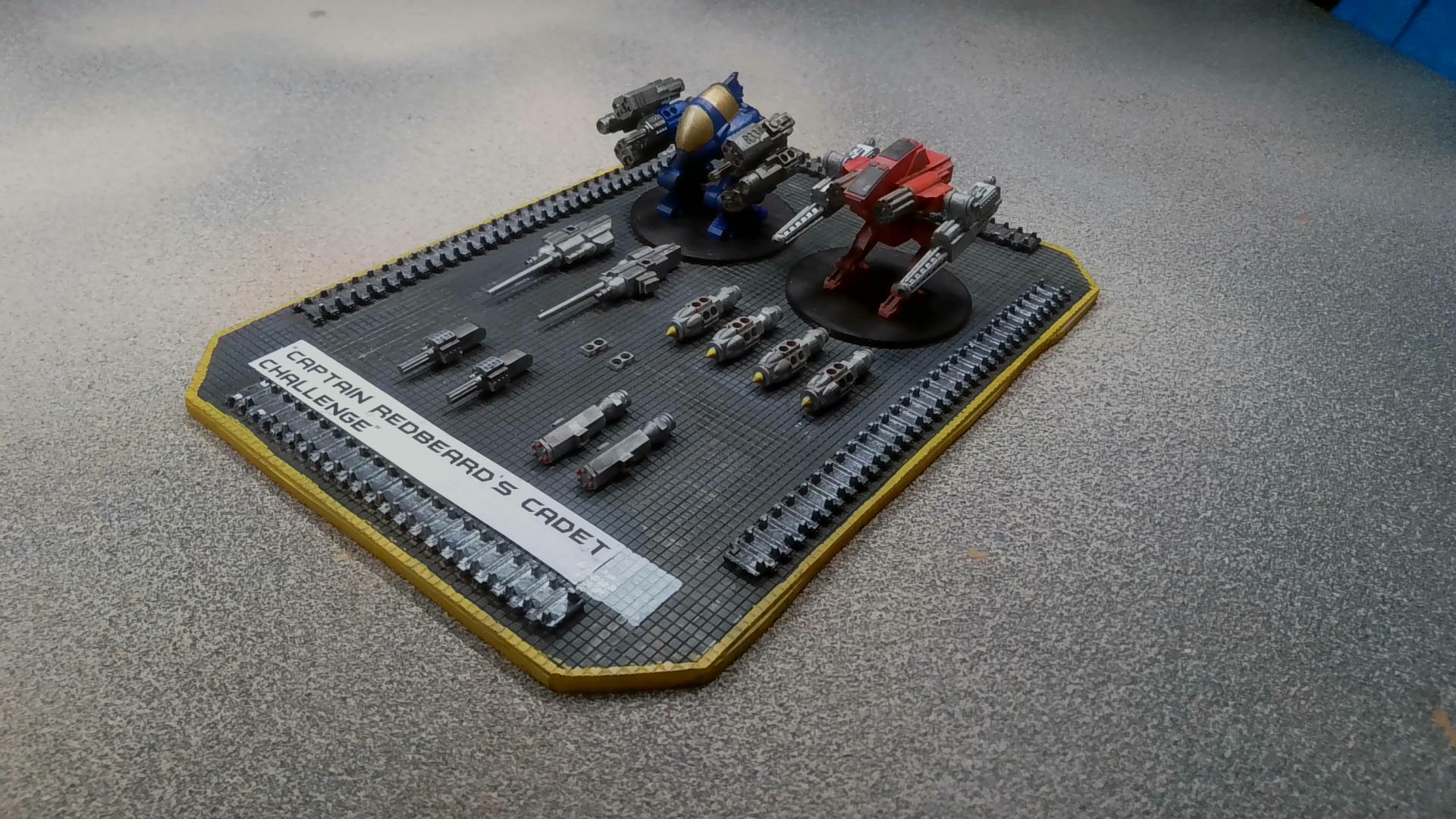
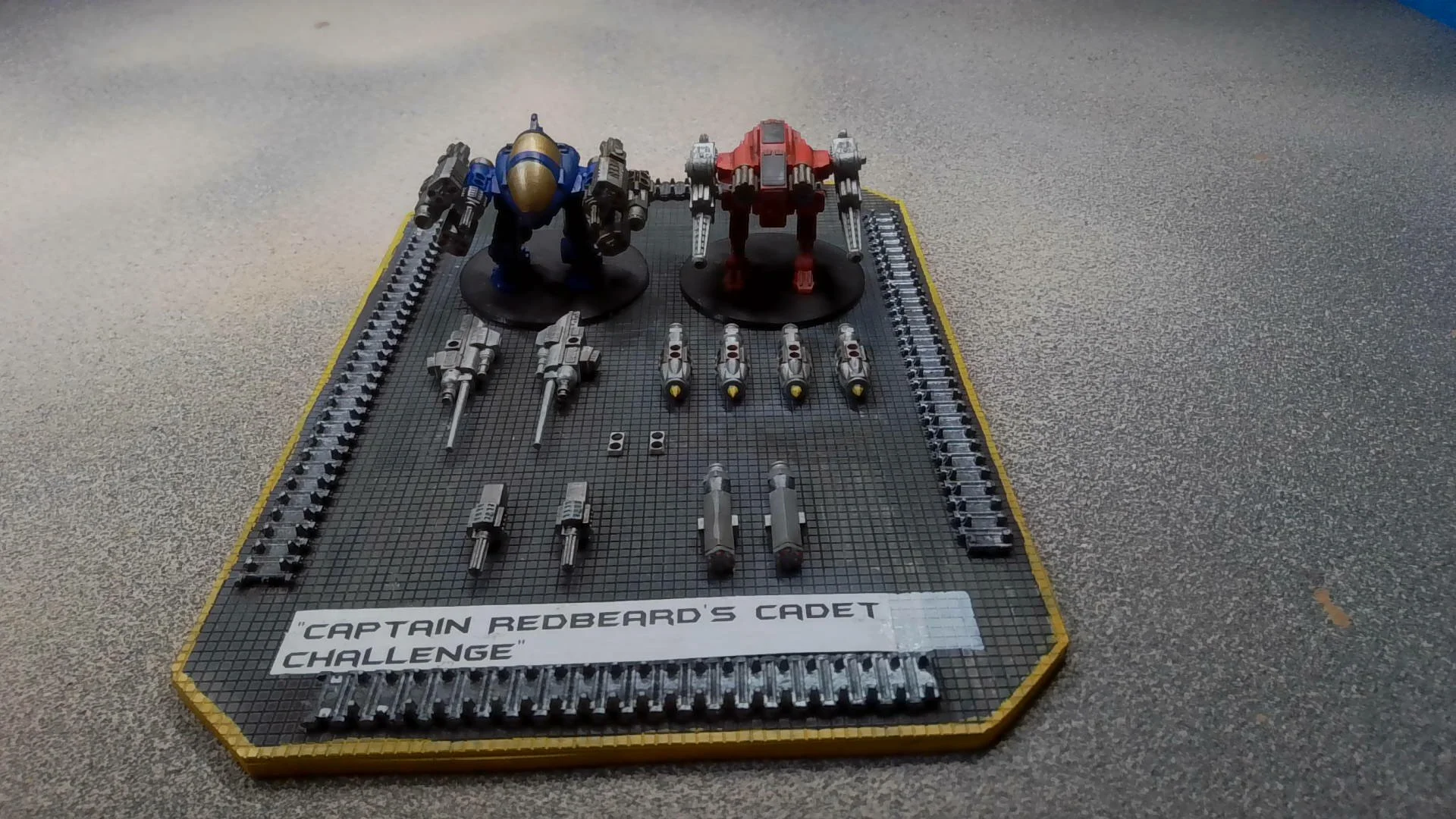
This Action Pak features two AC3 MSV models, a Dwarf and a Makofury, along with many extra weapons swaps. The Cadet challenge features two popular competitive builds and the parts to make most of the common builds, including the ones found in the single model releases for these units. It also is the first release to feature 4 hex frame spacers that allow better fitment for certain weapons on to hex frames. This should make the pak a good value for new or veteran players.
It makes an ideal starter action pak for new players. When combined with a few other action paks it’s a good start to a TechCommander player’s collection.
TechCommander is a sci-fi action deathmatch and skirmish style miniatures game. It is fast paced, with high unit lethality and destructible environments. It features mecha (or mech) fighting machines called “Mechanized Strike Vehicles” - or “MSV” for short. In TechCommander, our 10MM scale MSV models are customizable, featuring fast-swap weapons. In most cases If it fits in the free weight and power box of the unit, and on the model’s peg system you can play it. After the player picks weapons they can fill out the remaining free weight and power with awesome gear, both defensive, and offensive. MSV units are the kings of the battlefield and can act twice per turn!
In TechCommander, MSV units are classified by size
MSV CLASS Overview
AC2 ULTRA LIGHT (MHI - a MSV power armor hybrid - infantry point defense)
AC3 LIGHT (Scouts and fast jump jet skirmishers)
AC4 MEDIUM (Powerful and balanced to dominate the AO!)
AC5 HEAVY (Powerful and large enough to make a big battlefield impact!
AC6 ULTRA HEAVY (The big boys, thick enough to anchor an assault or the back line of your defense!)
Take the role of a “Tech Commander” A leader in the future who runs combat operations from command center with virtual, holographic rendition of the area of operation called a battle table, and relaying orders to the battlefield via secure remote link. Leading up to and In between missions TechCommanders train in a free for all past paced scenario called a deathmatch pitting the commander against every other unit on the board!
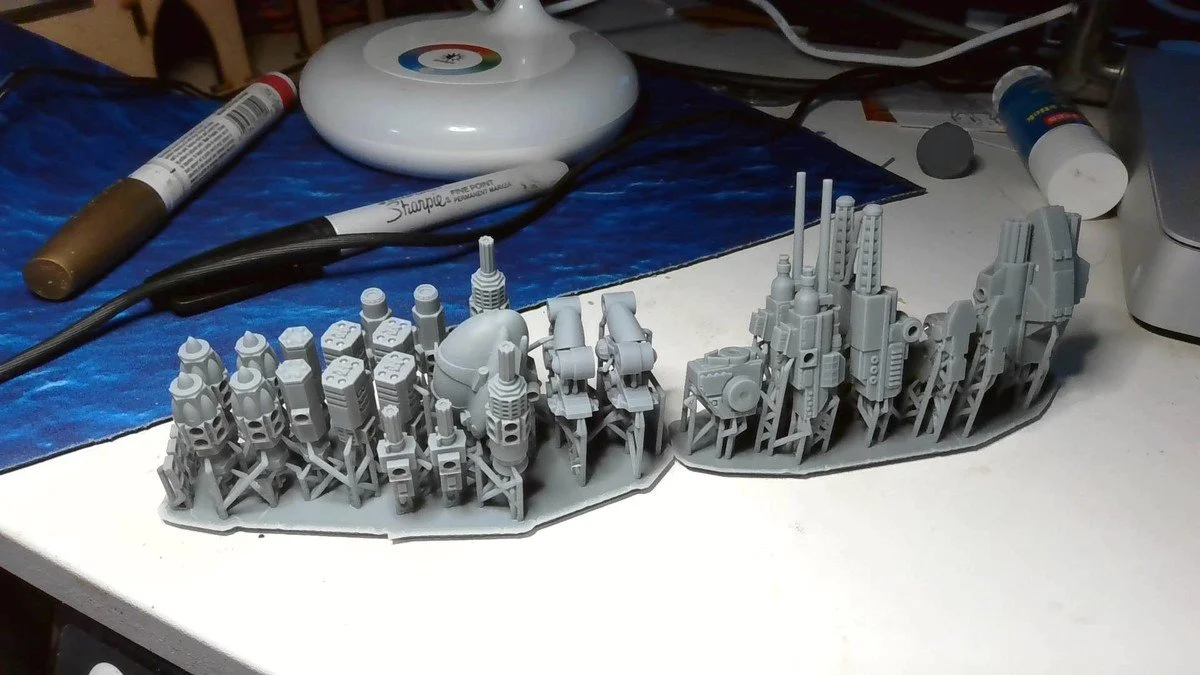
All MSV models come in 3D-printed resin, unpainted and unassembled with a laser cut wood base and some 1/16th wood dowel to allow for poseable peggable joints. Builder may glue some joints and leave others just pegged for weapons swaps. The Unit model comes with the weapons to make the standard OEM build, but weapons can be swapped with compatible MSV class weapons from other MSV model kits, our ACTION PAKS, or TechCommander Weapons Master Armory sets (sold separately)!
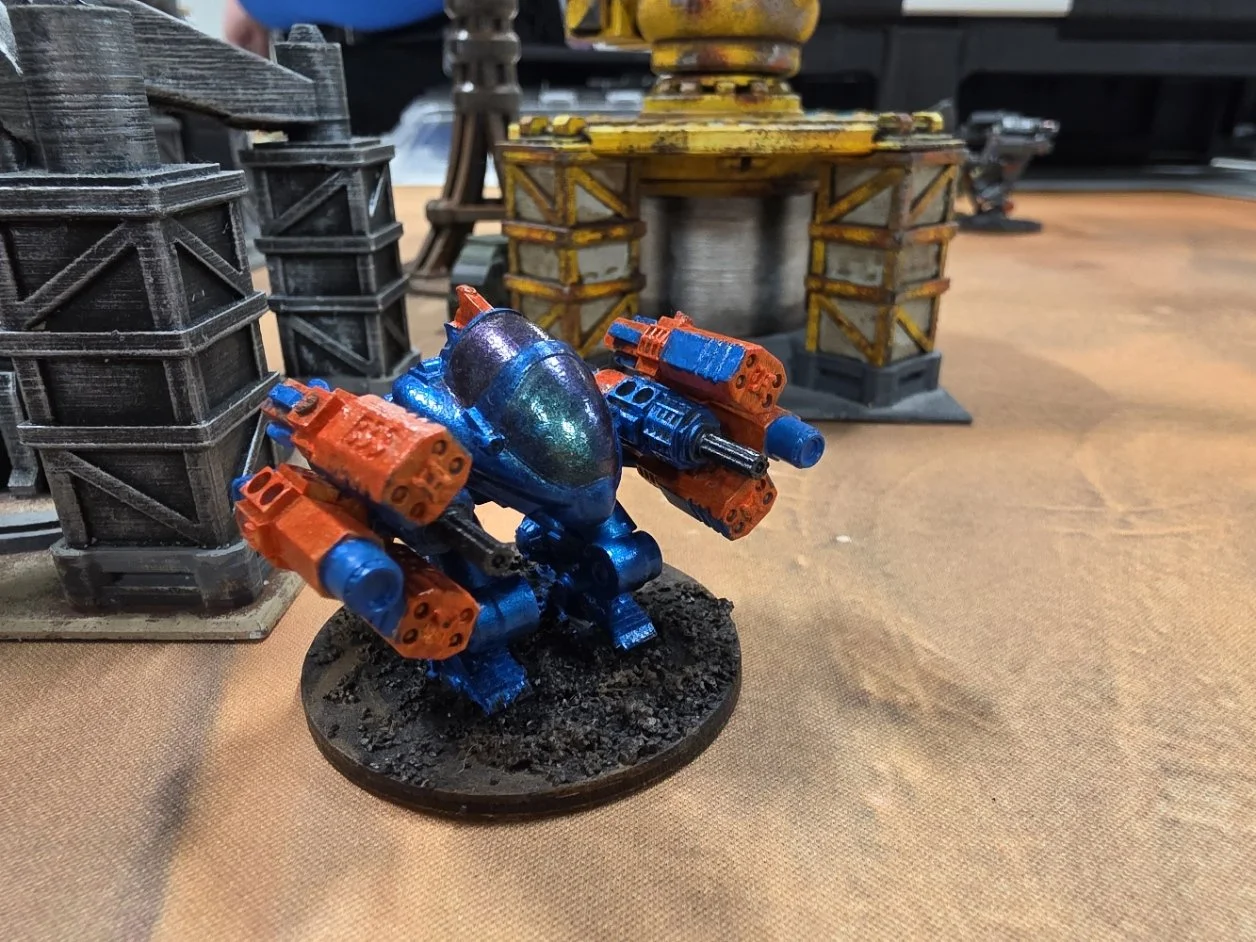
Built a cool MSV mech ? We’d love to see it! Share it with us via socials or our community discord linked above!
TechCommander Legends: Captain Redbeard’s Cadet challenge
MSV cadets attending the 29 Palms MSV Tactical Weapons program all must face the program's ace evaluator on the finals week.
The captain running OPFOR for the evaluation is a bit of a ghost -having generally never shown up in the training OPFOR roster until finals week. He seems to use a different callsign every time he is encountered, but the cadets all call him “Redbeard” because it’s the first thing cadets notice about him when he is introduced.
Of evaluation day students hit the hanger early in the morning and find two nicely equipped MSV units. The loadout on the units is not the factory, default, more like something straight out of the battlefield.
“Redbeard” then asks the cadets to choose one of the two builds for the evaluation. Whatever the cadet chooses, “Redbeard” chooses the other.
Cadet crews must defeat the opposing side Dwarf or Makofury 1-on-1 within 15 seconds of round start after deployment (in a single turn) AND have MSV not eliminated at the end of the turn. While simply defeating the opposing MSV is required to pass, those who can do it while keeping their own MSV from being eliminated earn a training specialist ribbon for “Adept MSV Operator with Battle Star.”
This model features 3D printed parts: There are two types of 3D printed parts we use in our products. "FDM" is lower cost, and is what most would recognize as traditional 3D printing. This type of model printed in layers from thermal plastic (generally PLA or PETG), and is lightweight with reasonable detail but will have visible striation (or lines) that the hobbyist may want to clean up using putty, primer, or other hobby techniques. "SLA" is a laser cured photo-resin that has exceptional detail, and generally has a much smoother finish without significantly noticeable striation. This type of material is more expensive, and fine details can be more delicate.
Some models may use either or both types of parts, and some models may have the ability for the buyer to select the print type under print options. These models are intended to be painted and may come in different colors.